
Define the following terms:
homeostasis
the condition in which all of the body’s systems are working at their best.
metabolism
physical and chemical processes by which substances are broken down or transformed into energy or products for use by the body.
dilate
to widen.
constrict
to narrow.
REMEMBER:
Signs are what the NA actually sees, hears, feels, or smells. Symptoms are not directly seen by the NA, but are reported by the resident who experiences them.
NAs should know these anatomical terms of location:
•Anterior or ventral: the front of the body or body part
•Posterior or dorsal: the back of the body or body part
•Superior: toward the head
•Inferior: away from the head
•Medial: toward the midline of the body
•Lateral: to the side, away from the midline of the body
•Proximal: closer to the torso
•Distal: farther away from the torso
Handout 4-1:The Integumentary System
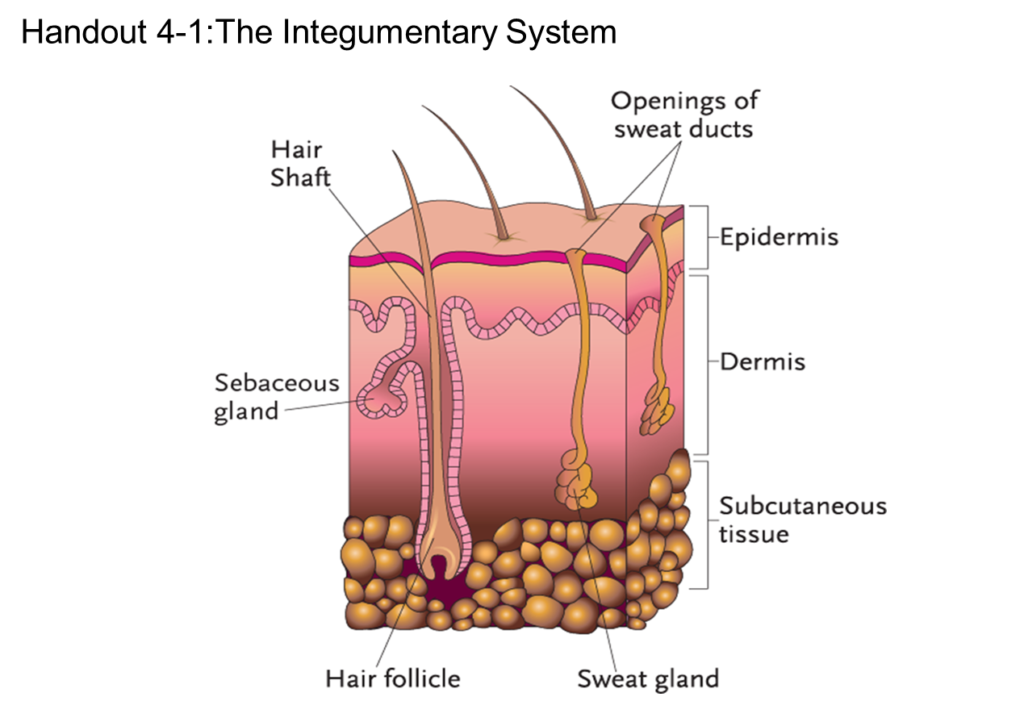
1.Describe the integumentary system
Remember these points about the integumentary system:
•Largest organ and system
•Natural protective covering
•Prevents excessive loss of water and injury to internal organs
•Skin made of tissue and glands
•Skin is a sense organ
•Regulates body temperature
1.Describe the integumentary system
Normal changes of aging to the integumentary system include the following:
•Thinner, drier, more fragile skin
•Less elastic skin
•Thinning fatty tissue can cause person to feel colder
•Thinner, gray hair
•Wrinkles and brown spots
•Harder, more brittle nails
•Dry, itchy skin due to lack of oil from sebaceous glands
1.Describe the integumentary system
NAs can help by
•Assisting with bathing only as needed (as ordered)
•Using lotions as ordered to relieve dry skin
•Being especially gentle, as skin may be fragile
•Shampoo hair less frequently
•Brushing hair gently
•Assisting residents to layer clothing and bed covers
•Keeping bed linens wrinkle-free
•Encouraging fluid intake
1.Describe the integumentary system
Think about this question:
Are there any other ways NAs can help with changes of aging relating to the integumentary system?
1.Describe the integumentary system
It is important to observe for and report the following:
•Pale, white, reddened, or purple areas
•Blisters or bruises
•Complaints of tingling, warmth, or burning
•Dry or flaking skin
•Itching or scratching
•Rashes or discoloration
•Swelling
•Cuts, boils, sores, wounds, abrasions
•Fluid or blood draining from skin
1.Describe the integumentary system
Observe and report (cont’d):
•Broken skin
•Changes in moistness/dryness
•Changes in an injury or wound (size, depth, drainage, color, odor)
•Redness or broken skin between toes or around toenails
•Scalp or hair changes
•Skin that appears different from normal or that has changed
•In darker complexions, changes in tone, skin temperature, and the feel of the tissue as compared to the skin nearby
1.Describe the integumentary system
REMEMBER:
Pressure injuries (also called pressure ulcers or decubitus ulcers) occur where blood has poor circulation and bone is close to skin. They can be very dangerous to residents’ health. Skin receives less oxygen and nutrients, cells die and tissue breaks down. (More information about pressure injuries may be found in Chapter 6.)
1.Describe the integumentary system
NAs should know these facts about scabies:
•It is a skin infection caused by a tiny mite called Sarcoptes scabiei.
•The mite burrows into the skin, where it lays eggs, which cause itching and a rash that looks like thin burrow tracks. These tracks typically appear in the folds of the skin.
•Scabies is contagious and spread through direct contact with an infected person.
•Scabies can spread quickly in crowded places, such as LTC facilities and childcare facilities.
•Treatment involves medications, often in the form of prescription creams and lotions.
•Oral medications may be used if the person does not
• respond to the creams/lotions.
2.Describe the musculoskeletal system and related conditions
Define the following terms:
atrophy
the wasting away, decreasing in size, and weakening of muscles from lack of use.
contracture
the permanent and often painful shortening of a muscle or tendon, usually due to lack of activity.
Key Material 4-2: The Musculoskeletal System
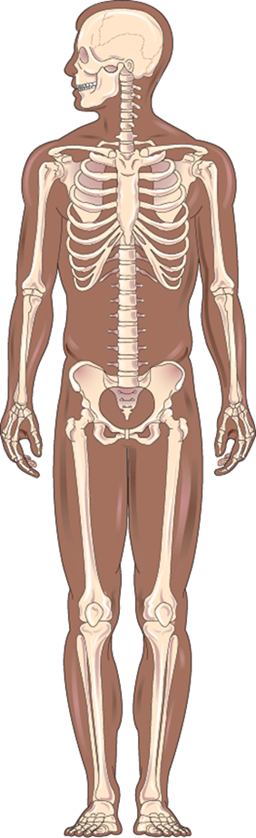
2.Describe the musculoskeletal system and related conditions
Remember these points about the musculoskeletal system:
•The human body has 206 bones.
•Two bones meet at joint (for movement). Joints make movement possible in either all directions or in one direction only.
•Muscles provide movement and produce body heat.
•Physical activity/exercise increases circulation, increasing blood flow to organs and tissues.
•Inactivity can cause depression, pneumonia, constipation, UTIs, loss of self-esteem, and blood clots.
•Muscles develop atrophy or contractures from inactivity.
•ROM exercises help prevent atrophy or contractures.
2.Describe the musculoskeletal system and related conditions
Normal changes of aging to the musculoskeletal system include the following:
•Weaker, less toned muscles
•Slower body movement
•Less dense and more brittle bones
•Stiffer, painful joints
•Loss of height
2.Describe the musculoskeletal system and related conditions
NAs can help by
•Answering call lights promptly to prevent falls
•Keeping pathways clear, cleaning up spills, and not moving furniture
•Placing walkers and canes where residents can easily reach them
•Ensuring that residents wear non-skid shoes that are securely fastened
•Encouraging regular movement and self-care
•Assisting with range of motion (ROM) exercises as ordered
2.Describe the musculoskeletal system and related conditions
Think about this question:
Are there any other ways NAs can help with changes of aging relating to the musculoskeletal system?
2.Describe the musculoskeletal system and related conditions
It is important to observe for and report the following:
•Changes in movement and activity
•Changes in ability to do ROM exercises
•Pain during movement
•New or increased swelling of joints
•White, shiny, red, or warm areas over joints
•Bruising
•Aches and pains reported by resident
2.Describe the musculoskeletal system and related conditions
Define the following terms:
inflammation
swelling.
autoimmune illness
an illness in which the body’s immune system attacks normal tissue in the body.
2.Describe the musculoskeletal system and related conditions
Define the following terms:
rheumatoid arthritis
a type of arthritis in which joints become inflamed, red, swollen, and very painful, resulting in restricted movement and possible deformities.
osteoarthritis
common type of arthritis that usually affects the hips, knees, fingers, thumbs, and spine; also called degenerative joint disease (DJD) or degenerative arthritis.
2.Describe the musculoskeletal system and related conditions
NAs should know these facts about arthritis:
•Arthritis is inflammation of the joints, causing stiffness, pain, and decreased mobility.
•Arthritis may be caused by aging, injury, or autoimmune illness.
•Two types are osteoarthritis and rheumatoid arthritis.
•Pain and stiffness increase in cold or damp weather.
2.Describe the musculoskeletal system and related conditions
Treatments for arthritis include the following:
•Anti-inflammatory medications (aspirin or ibuprofen)
•Local applications of heat
•ROM exercises
•Exercise and activity
•Diet
Key Material 4-3: Care Guidelines for Arthritis
•Watch for stomach irritation or heartburn caused by anti-inflammatory medications.
•Encourage activity.
•Adapt ADLs to allow independence.
•Choose clothing that is easy to put on and fasten. Encourage use of handrails and safety bars. Use special utensils if needed.
•Encourage use of handrails and safety bars.
•Treat each resident as an individual.
•Help maintain a resident’s self-esteem by encouraging self-care.
2.Describe the musculoskeletal system and related conditions
Define the following terms:
osteoporosis
a disease that causes bones to become porous and brittle, causing them to break easily.
menopause
the end of menstruation; occurs when a woman has not had a menstrual period for 12 months.
2.Describe the musculoskeletal system and related conditions
NAs should know these facts about osteoporosis:
•Causes bones to become brittle
•May be due to age, lack of hormones, lack of calcium, alcohol consumption, or lack of exercise
•Occurs more commonly in women after menopause
2.Describe the musculoskeletal system and related conditions
Signs and symptoms of osteoporosis include
•Low back pain
•Stooped posture
•Loss of height
•Fractures
2.Describe the musculoskeletal system and related conditions
Ways to prevent or slow osteoporosis include the following:
•Encourage residents to walk and do other light exercise as ordered.
•Move residents with osteoporosis very carefully.
•Follow care plan regarding medication and supplements, which might be used to treat osteoporosis.
2.Describe the musculoskeletal system and related conditions
Define the following terms:
partial weight-bearing (PWB)
a doctor’s order stating that a person is able to support some body weight on one or both legs.
non-weight-bearing (NWB)
a doctor’s order stating that a person is unable to touch the floor or support any body weight on one or both legs.
full weight-bearing (FWB)
a doctor’s order stating that a person has the ability to support full body weight (100%) on both legs.
2.Describe the musculoskeletal system and related conditions
REMEMBER:
Fall prevention is the key to preventing fractures.
2.Describe the musculoskeletal system and related conditions
Remember these guidelines for the care of a new cast:
•Cast must be completely dry before a person can bear weight on it.
•Elevate extremity in cast to stop swelling
•Observe for swelling, skin discoloration, tightness, sores, skin temperature, burning, numbness or tingling, drainage, bleeding, or odor.
•Protect resident’s skin from edges of cast.
•Keep the cast dry.
•Do not insert anything into cast.
•Tell the nurse if pain medication is needed.
•Use bed cradles as needed.
2.Describe the musculoskeletal system and related conditions
NAs should know these facts about hip fractures:
•Cause may be a fall or weakened bones
•Elderly bones heal slowly
2.Describe the musculoskeletal system and related conditions
Hip replacement surgery may be performed for these reasons:
•Fractured hip that does not heal properly
•Weakened hip due to aging
•Painful and stiff hip
Key Material 4-4: Care Guidelines for Hip Replacement
•Keep often-used items within reach.
•Dress affected side first.
•Do not rush the resident. Use praise and encouragement.
•Ask for pain medication prior to moving and positioning if needed.
•Have the resident sit to do tasks.
•Follow the care plan exactly.
•Do not perform ROM exercises on the operative leg.
•The hip cannot be bent or flexed more than 90 degrees. It cannot be turned inward or outward.
•Abduction pillow may be used for 6–12 weeks after surgery during sleep
•Transfer resident carefully, with strong side leading when standing, pivoting, and sitting.
•With chair or toilet transfers, operative leg/knee should be straightened. Strong leg should stand first.
2.Describe the musculoskeletal system and related conditions
Observe for and report the following after hip replacement surgery:
•Red, draining, warm, or bleeding incision
•Increase in pain
•Numbness or tingling
•Tenderness or swelling in calf of the affected leg
•Shortening and/or external rotation of affected leg
•Abnormal vital signs, especially a change in temperature
•Inability to use equipment properly and safely
•Unwillingness of resident to follow doctor’s orders for activity and exercise
•Problems with appetite
•Improvements, such as increasing strength and improved ability to walk
2.Describe the musculoskeletal system and related conditions
Knee replacement surgery is performed for these reasons:
•Relieves severe pain
•Restores motion to damaged knee
•Helps stabilize a knee that buckles or gives out
Key Material 4-5: Care Guidelines for Knee Replacement
•Apply special stockings and/or compression devices as ordered.
•Perform ankle pumps as ordered.
•Encourage fluids, especially fluids high in vitamin C.
•Assist with deep breathing exercises.
•Ask for pain medication if needed.
•Report to nurse if you notice redness, swelling, heat, or deep tenderness in one or both calves.
Key Material 4-6: The Nervous System
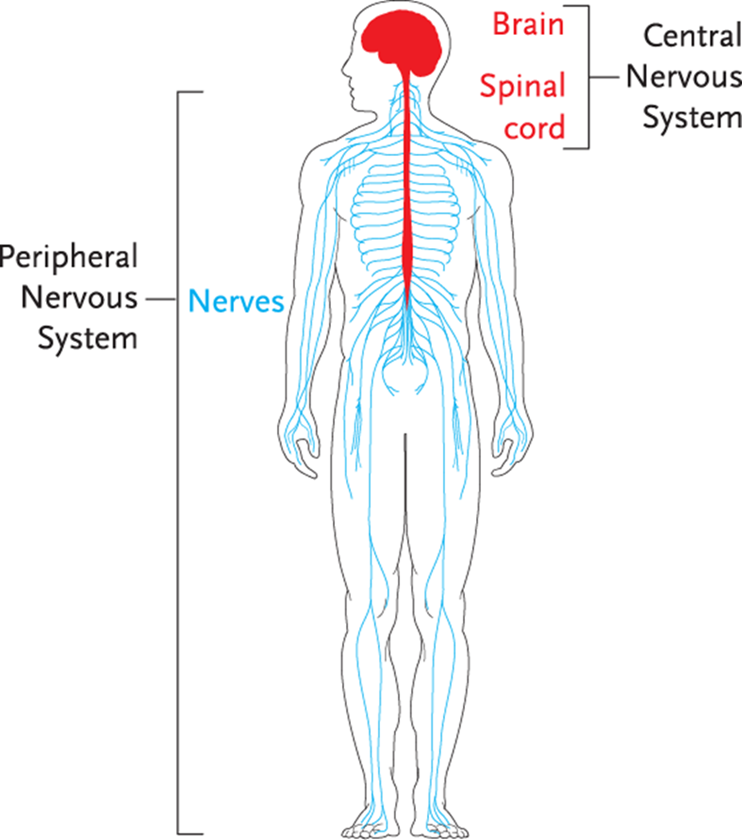
3.Describe the nervous system and related conditions
Remember these points about the nervous system:
•Control and message center of body
•Controls and coordinates all body functions
•Senses information from outside the body
•Two main parts: central nervous system (brain) and peripheral nervous system (nerves)
3.Describe the nervous system and related conditions
Normal changes of aging to the nervous system include the following:
•Slower responses and reflexes
•Decrease in sensitivity of nerve endings in skin
•Some memory loss, more often with short-term memory
3.Describe the nervous system and related conditions
NAs can help by
•Suggesting residents make lists or write notes about things they want to remember
•Placing a calendar where the resident can see it
•Taking an interest in residents’ past by asking to see photos or hear stories
•Allowing time for decision-making and avoiding sudden changes in schedule
•Allowing plenty of time for movement
•Encouraging reading, thinking, and other mental activities
3.Describe the nervous system and related conditions
Think about this question:
Are there any other ways NAs can help with changes of aging relating to the nervous system?
3.Describe the nervous system and related conditions
It is important to observe for and report the following:
•Fatigue or pain with movement
•Shaking or trembling
•Inability to move one side of body
•Difficulty speaking or slurring of speech
•Numbness or tingling
•Disturbance or change in vision or hearing
•Dizziness or loss of balance
3.Describe the nervous system and related conditions
Observe and report (cont’d):
•Changes in eating or fluid intake
•Difficulty swallowing
•Bowel or bladder changes
•Depression or mood changes
•Memory loss or confusion
•Violent behavior
•Unusual or unexplained change in behavior
•Decreased ability to perform ADLs
3.Describe the nervous system and related conditions
Dementia and Alzheimer’s disease, which are common disorders of the nervous system, are covered in detail in Chapter 5.
3.Describe the nervous system and related conditions
Define the following terms:
hemiplegia
paralysis on one side of the body.
hemiparesis
weakness on one side of the body.
expressive aphasia
trouble communicating thoughts through speech or writing.
3.Describe the nervous system and related conditions
Define the following terms:
receptive aphasia
difficulty understanding spoken or written words.
emotional lability
Inappropriate or unprovoked emotional responses, including laughing, crying, and anger.
dysphagia
difficulty swallowing.
3.Describe the nervous system and related conditions
NAs should know these facts about CVA:
•CVA occurs when blood supply to a part of the brain is blocked or a blood vessel leaks or ruptures within the brain.
•Results in lack of oxygen to tissues, causing cells to die.
•Swelling, leaking blood, and clots affect surrounding healthy brain tissue.
•Weakness occurs opposite affected side of brain.
•Mild stroke may result in few, if any, complications.
Key Material 4-7: Care Guidelines for CVA
•Assist with ROM exercises or leg exercises to improve circulation as ordered, keeping safety in mind.
•Use terms weaker or involved to refer to the affected side, not bad.
•Assist with speech therapy as needed.
•Use verbal and nonverbal communication to express a positive attitude.
•Residents may experience confusion, memory loss, and heightened emotions. Be patient and understanding.
•Encourage independence and self-esteem.
•Always check on resident’s body alignment.
•Pay special attention to skin care.
•If residents have lost sense of touch or sensation, be aware of potentially harmful situations, such as proximity to heat and sharp objects.
•Adapt procedures when caring for residents with one-sided paralysis or weakness.
Key Material 4-7: Care Guidelines for CVA (cont’d)
•For transfers:
•Always use a transfer belt.
•Stand on and support the weaker side.
•Lead with stronger side.
•For assisting with dressing:
•Dress weaker side first. Undress stronger side first.
•Use assistive equipment to help resident dress himself.
Key Material 4-7: Care Guidelines for CVA (cont’d)
•For assisting with eating:
•Place food in the resident’s field of vision.
•Use assistive devices.
•Watch for signs of choking.
•Serve soft foods if swallowing is difficult.
•Always place food in the unaffected side of mouth. Make sure food is swallowed.
3.Describe the nervous system and related conditions
Define the following term:
gait
manner of walking.
3.Describe the nervous system and related conditions
NAs should know these facts about Parkinson’s disease:
•It is a progressive, degenerative disease
•Causes stiff muscles, stooped posture, shuffling gait, pill-rolling, tremors, and mask-like facial expression
•Tremors can make ADLs difficult
Key Material 4-8: Care Guidelines for Parkinson’s Disease
•Protect residents from falls.
•Help with ADLs as needed.
•Assist with ROM exercises as ordered.
•Observe for any swallowing problems and report them to the nurse.
•Encourage self-care and be patient.
3.Describe the nervous system and related conditions
NAs should know these facts about multiple sclerosis (MS):
•MS is a progressive disease affecting the central nervous system.
•Protective sheath breaks down over time and nerves cannot send messages properly.
•Residents will have varying abilities.
•Symptoms can include blurred vision, fatigue, tremors, poor balance, trouble walking, weakness, numbness, tingling, incontinence, and behavior changes.
•MS can cause blindness, contractures, and loss of function in arms and legs.
Key Material 4-9: Care Guidelines for Multiple Sclerosis
•Assist with ADLs.
•Be patient with self-care and movement. Allow time for tasks. Offer rest periods.
•Give resident time to communicate.
•Prevent falls.
•Help avoid stressful situations. Listen to residents.
•Symptoms of MS can change daily, Adapt care to symptoms reported.
•Encourage a healthy diet with plenty of fluids.
•Give regular skin care.
•Assist with ROM exercises.
3.Describe the nervous system and related conditions
Define the following terms:
paraplegia
loss of function of lower body and legs.
quadriplegia
loss of function of legs, trunk, and arms.
3.Describe the nervous system and related conditions
NAs should know these facts about head and spinal cord injuries:
•May result from diving, sports injuries, falls, car and motorcycle accidents, industrial accidents, war, and criminal violence
•Can cause permanent brain damage, intellectual disability, personality changes, trouble breathing, seizures, coma, memory loss, loss of consciousness, paresis, paralysis
•Effects of spinal cord injuries depend on force of impact and where spine is injured.
•May cause paraplegia or quadriplegia
•Rehabilitation is needed.
•Emotional support is important.
Key Material 4-10: Care Guidelines for Head and Spinal Cord Injuries
•Give emotional support, as well as physical help.
•Prevent falls and burns.
•Be patient with self-care.
•Give careful skin care to prevent pressure injuries.
•Assist with position changes at least every two hours.
•Perform ROM exercises as ordered.
•Encourage fluids and a high-fiber diet to prevent constipation.
•Give extra catheter care as needed.
•Offer rest periods as needed for fatigue. Use special stockings as ordered to aid circulation.
•Encourage deep breathing exercises as ordered.
•Provide for privacy if involuntary erections occur.
•Assist with bowel and bladder training.
Key Material 4-11: Parts of the Eye
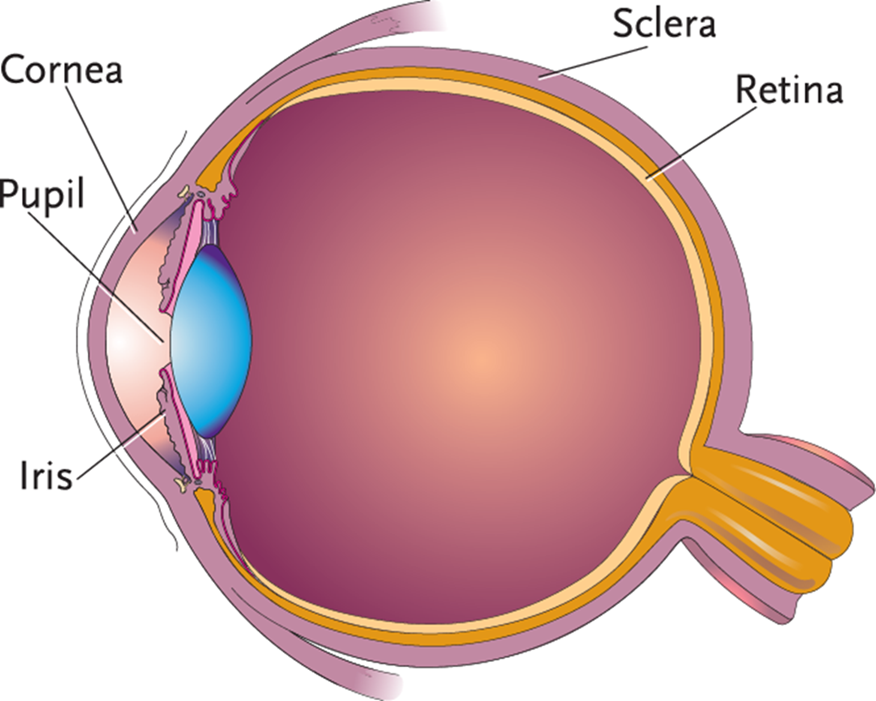
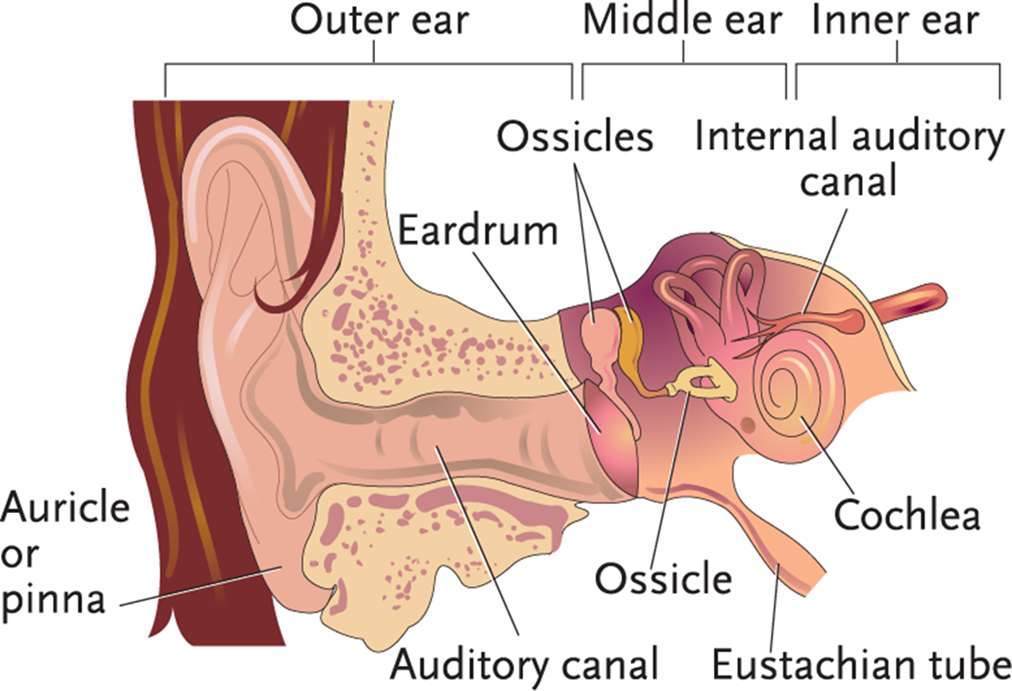
Key Material 4-11: Parts of the Ear
3.Describe the nervous system and related conditions
REMEMBER:
The other sense organs are the nose, tongue, and skin.
3.Describe the nervous system and related conditions
Normal changes of aging to the sense organs include the following:
•Reduced vision and hearing (sense of balance may be affected)
•Decreased senses of taste, touch, and smell
3.Describe the nervous system and related conditions
NAs can help by
•Helping residents keep eyeglasses clean
•Ensuring residents have proper lighting/bright colors
•Helping residents remember to wear their hearing aids, and keeping hearing aids clean
•Facing residents when speaking, and speaking clearly and slowly
•Providing oral care often and offering foods with a variety of tastes and textures
•Helping as needed with regular bathing
•Being cautious when serving hot drinks or assisting with bathing in hot water
3.Describe the nervous system and related conditions
Think about this question:
Are there any other ways NAs can help with changes of aging related to the senses?
3.Describe the nervous system and related conditions
It is important to observe for and report the following:
•Changes in vision or hearing
•Signs of infection
•Dizziness
•Complaints of pain in eyes or ears
3.Describe the nervous system and related conditions
NAs should know these facts about vision impairment:
•Vision impairment can affect people of all ages.
•Some residents may wear eyeglasses or contacts.
•People over 40 are at risk for developing cataracts, glaucoma, and blindness.
•Cataracts may be corrected surgically.
•Glaucoma can occur suddenly or gradually, and is treated with medication and sometimes surgery.
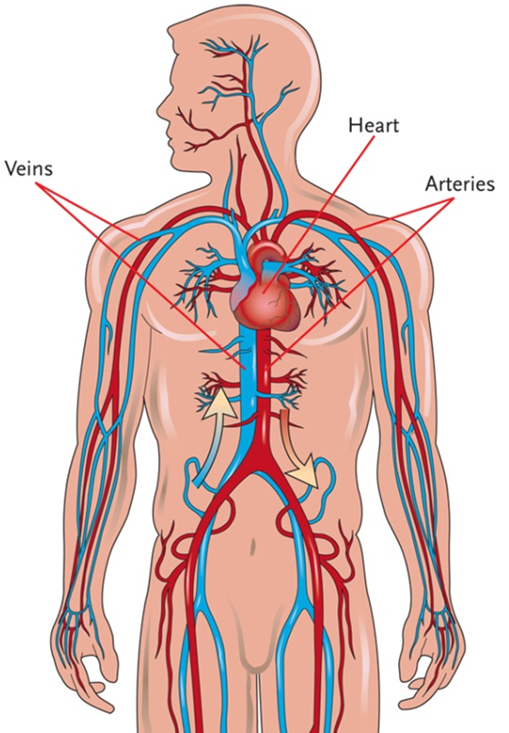
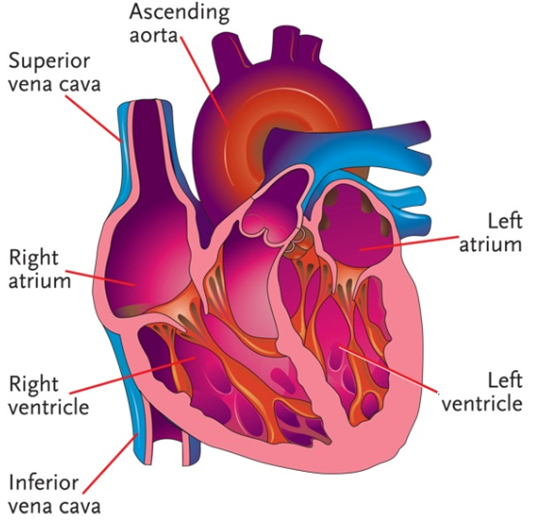
Key Material 4-13: The Circulatory System
4.Describe the circulatory system and related conditions
Remember these points about the circulatory system:
•Made up of heart, blood vessels, and blood
•Blood carries food, oxygen, and essential substances to cells.
•Heart has four chambers (two atria/upper chambers and two ventricles/lower chambers).
•Heart functions in two phases: resting phase—diastole (chambers fill with blood) and contracting phase—systole (ventricles pump blood).
•Major functions are to
•Supply food, oxygen, and hormones to cells
•Supply antibodies
•Remove waste products from cells
•Control body temperature
4.Describe the circulatory system and related conditions
Normal changes of aging to the circulatory system include the following:
•Less efficient heart
•Decreased blood flow
•Narrowed blood vessels
4.Describe the circulatory system and related conditions
NAs can help by
•Encouraging movement and exercise
•Allowing time for residents to complete activities and trying to prevent residents from tiring
•Layering clothing to help residents stay warm
•Making sure residents have socks, slippers, or shoes to help keep their feet warm
4.Describe the circulatory system and related conditions
Think about this question:
Are there any other ways NAs can help with changes of aging relating to the circulatory system?
4.Describe the circulatory system and related conditions
It is important to observe for and report the following:
•Changes in pulse rate
•Weakness or fatigue
•Loss of ability to perform ADLs
•Swelling of ankles, feet, fingers or hands
•Pale or blue hands, feet, or lips
•Chest pain
•Weight gain
•Shortness of breath, changes in breathing patterns, inability to catch breath
•Severe headache
•Inactivity, which can lead to circulatory problems
4.Describe the circulatory system and related conditions
Define the following terms:
hypertension (HTN)
high blood pressure, regularly measuring 130/80 mm Hg or higher.
diuretics
medications that reduce fluid volume in the body.
4.Describe the circulatory system and related conditions
NAs should know these facts about hypertension (HTN) or high blood pressure:
•Causes: hardening and narrowing of blood vessels (atherosclerosis), kidney disease, adrenal tumors, pregnancy or certain medications
•Symptoms: headache, blurred vision, and dizziness; sometimes there are no noticeable symptoms
Key Material 4-14: Care Guidelines for Hypertension
•Offer regular trips to the bathroom. Answer call lights promptly.
•Measure blood pressure as ordered.
•Encourage residents to follow their diet and exercise programs.
4.Describe the circulatory system and related conditions
Define the following term:
angina
chest pain, pressure, or discomfort.
4.Describe the circulatory system and related conditions
NAs should know these facts about coronary artery disease (CAD):
•Cause: vessels in coronary arteries narrow, reducing blood flow to heart
•Symptoms: angina pectoris
Key Material 4-15: Care Guidelines for Angina
•Encourage rest.
•Nitroglycerin should be close by.
•Tell the nurse if a nitroglycerin patch comes off.
•Residents may need to avoid heavy meals, overeating, intense exercise, and cold or humid weather.
4.Describe the circulatory system and related conditions
NAs should know these facts about myocardial infarction (MI) or heart attack:
•Caused by block of blood flow to heart muscle, which results in tissue death
•Area of dead tissue may be large or small
•Can result in serious heart damage or death
•Chapter 2 covers warning signs.
Key Material 4-16: Care Guidelines for Myocardial Infarction
•A cardiac rehabilitation program usually consists of:
•A diet low in saturated fats and sodium
•Regular exercise program
•Medications to regulate heart rate and blood pressure, to lower cholesterol and to lower triglycerides
•Regular blood testing; stopping smoking
•Avoiding cold temperatures
•A stress management program/mental health care for anxiety
•Encourage residents to follow their diet and exercise programs.
•Be supportive if residents have quit or are trying to quit smoking.
• Reduce stress as much as possible. Listen when residents want to talk, and report signs/complaints of stress to the nurse.
4.Describe the circulatory system and related conditions
NAs should know these facts about congestive heart failure (CHF):
•Cause: failure of heart muscle to pump effectively due to damage
•Symptoms: fatigue, trouble breathing, coughing or gurgling with breathing, dizziness, confusion, fainting, pale or blue skin, low blood pressure, swelling of feet and ankles, bulging neck veins, weight gain
Key Material 4-17: Care Guidelines for Congestive Heart Failure
•Medications can help control CHF.
•Help residents to the toilet or commode when needed. Answer call lights promptly.
•Encourage residents to follow diet orders or restrictions.
•Allow for rest periods.
•Measure intake and output of fluids as ordered.
•Weigh residents as instructed.
•Apply Antiembolic leg stockings as ordered.
•Assist with ROM exercises.
•Extra pillows may help breathing. Keep the head of the bed elevated if it helps with breathing.
•Assist with personal care and ADLs as needed.
•High-potassium foods can help with dizziness.
4.Describe the circulatory system and related conditions
NAs should know these facts about peripheral vascular disease (PVD):
•Cause: fatty deposits in the blood vessels that harden
•Symptoms: cool arms and legs, swelling in hands and feet, pale or bluish hands or feet, bluish nail beds, ulcers on legs and feet
•Pain may be severe when walking but can decrease with rest.
•Treatment includes quitting smoking, medications, exercise, and surgery.
5.Describe the respiratory system and related conditions
Define the following terms:
respiration
the process of breathing air into the lungs and exhaling air out of the lungs.
inspiration
the process of inhaling air into the lungs.
expiration
the process of exhaling air out of the lungs.
dyspnea
difficulty breathing.
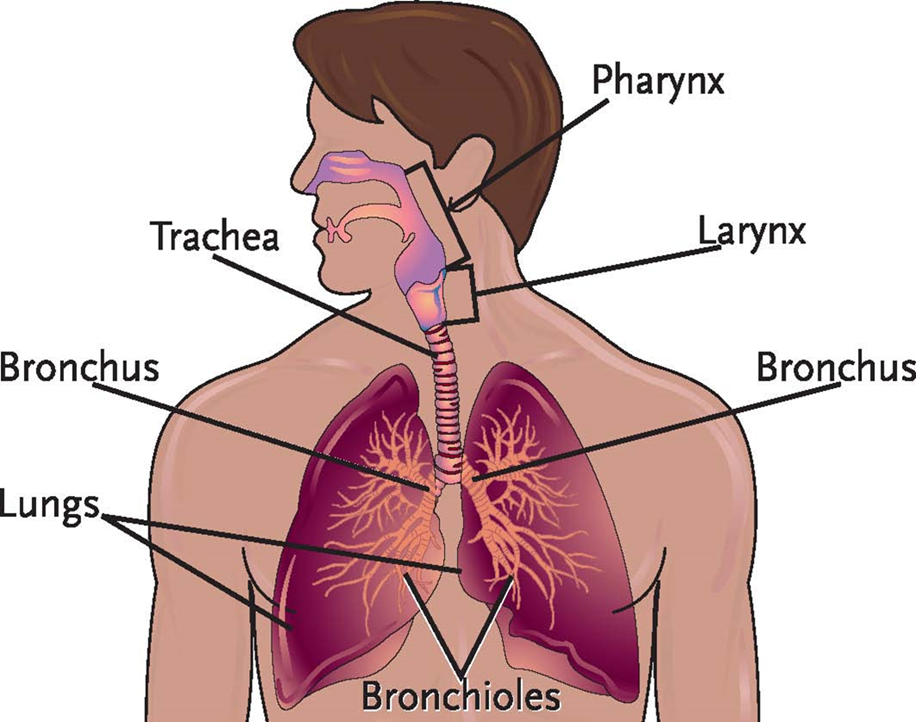
Key Material 4-18: The Respiratory System
5.Describe the respiratory system and related conditions
Remember these points about the respiratory system:
•Inspiration is breathing in and expiration is breathing out.
•Functions are
•To bring oxygen into body
•To eliminate carbon dioxide produced by the body
5.Describe the respiratory system and related conditions
Normal changes of aging to the respiratory system include the following:
•Loss of lung strength
•Decreased lung capacity
•Decreased oxygen in the blood
•Weakened voice
5.Describe the respiratory system and related conditions
NAs can help by
•Helping residents avoid exposure to cigarette smoke or polluted air
•Provide rest periods
•Encouraging exercise and regular movement
•Providing rest periods as needed
•Assisting with deep breathing exercises as ordered
•Assisting residents into positions that ease breathing
5.Describe the respiratory system and related conditions
Think about this question:
Are there any other ways NAs can help with changes of aging relating to the respiratory system?
5.Describe the respiratory system and related conditions
It is important to observe for and report the following:
•Changes in respiratory rate
•Shallow breathing or breathing through pursed lips
•Coughing or wheezing
•Nasal congestion or discharge
•Sore throat, difficulty swallowing, swollen tonsils
•Need to sit after mild exertion
•Pale, bluish, or gray color of lips, arms, or legs
•Pain in chest
•Discolored sputum (yellow, green, gray, or bloody)
5.Describe the respiratory system and related conditions
NAs should know these facts about chronic obstructive pulmonary disease (COPD):
•It is a chronic disease.
•Residents with COPD have trouble breathing, especially getting air out of the lungs.
•Two chronic lung diseases are grouped under COPD: chronic bronchitis and emphysema.
•Residents with COPD are at high risk of contracting pneumonia.
5.Describe the respiratory system and related conditions
Facts about COPD (cont’d):
•All body systems are affected when the lungs and brain do not get enough oxygen.
•Residents may be in constant fear of not being able to breathe and might need to sit upright to improve lung expansion. They may fear suffocation.
•Residents may have poor appetites and not sleep well, leading to weakness and feelings of general poor health.
5.Describe the respiratory system and related conditions
COPD can result in the following symptoms:
•Chronic cough or wheeze
•Trouble breathing
•Shortness of breath
•Pale, cyanotic, or reddish-purple skin
•Confusion
•General weakness
•Difficulty completing meals
•Fear and anxiety
Key Material 4-19: Care Guidelines for COPD
•Observe and report symptoms getting worse.
•Help resident sit upright. Offer pillows for support.
•Offer plenty of fluids and small, frequent meals.
•Encourage a well-balanced diet.
•Keep oxygen supply available as ordered.
•Be calm and supportive.
•Use proper infection prevention practices.
•Encourage independence with ADLs.
•Remind residents to avoid exposure to infection.
•Encourage pursed-lip breathing.
•Encourage residents to save energy. Encourage rest.
Key Material 4-19: Care Guidelines for COPD (cont’d)
Report these signs and symptoms of COPD:
•Temperature over 101°F
•Changes in breathing patterns
•Changes in color or consistency of lung secretions
•Changes in mental state or personality
•Refusal to take medications as ordered
•Excessive weight loss
•Increasing dependence
6.Describe the urinary system and related conditions
Define the following term:
urinary incontinence
the inability to control the bladder, which leads to an involuntary loss of urine.
Key Material 4-20: The Urinary System
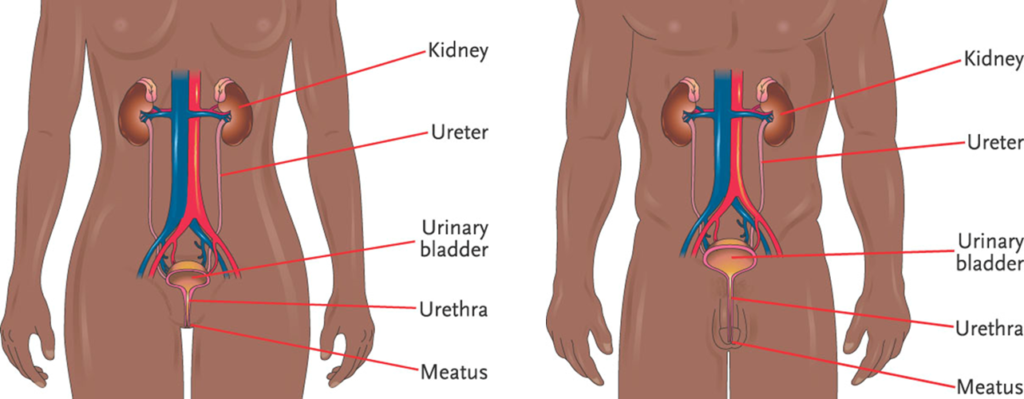
6.Describe the urinary system and related conditions
Remember these points about the urinary system:
•Composed of two kidneys, two ureters, one urinary bladder, and a single urethra
•Has two important functions:
•Eliminates waste products created by the cells
•Maintains the water balance in the body
6.Describe the urinary system and related conditions
Normal changes of aging to the urinary system include the following:
•Decreased ability of kidneys to filter blood
•Weakened bladder muscle tone
•Bladder holds less urine causing more frequent urination
•Bladder may not empty completely, causing more susceptibility to infection
6.Describe the urinary system and related conditions
NAs can help by:
•Encouraging fluids
•Offering frequent trips to the bathroom
•Not showing frustration or anger if residents are incontinent
•Making sure residents are kept clean and dry
6.Describe the urinary system and related conditions
Think about this question:
Are there any other ways NAs can help with changes of aging relating to the urinary system?
6.Describe the urinary system and related conditions
It is important to observe for and report the following:
•Weight loss or gain
•Swelling in upper or lower extremities
•Pain or burning during urination
•Changes in urine (cloudy, odor, color)
•Changes in frequency or amount of urination
•Swelling in the abdominal/bladder area
•Complaints that bladder feels full or painful
•Urinary incontinence
•Pain in the kidney or back/flank region
•Inadequate fluid intake
•Confusion
6.Describe the urinary system and related conditions
NAs should know these facts about urinary incontinence:
•Can occur in people who are confined to bed, ill, elderly, paralyzed, or who have circulatory or nervous system diseases or injuries
•Stress that incontinence is not a normal part of aging and may signal an illness. It is a major risk factor for pressure ulcers
Key Material 4-21: Care Guidelines for Urinary Incontinence
•Offer to assist with toileting often. Follow toileting schedules.
•Answer call lights and requests for help immediately.
•Document all episodes of incontinence carefully and accurately.
•Wash urine off immediately and completely. Keep residents clean, dry, and free from odor.
•Change wet or soiled clothing immediately. Change wet or soiled bed linen immediately. Use absorbent pads under linen.
•Use disposable incontinence pads or briefs as needed to keep body wastes away from skin. Change wet briefs promptly and do not refer to them as diapers.
•Encourage residents to drink plenty of fluids.
•Be reassuring and understanding.
6.Describe the urinary system and related conditions
When changing incontinence briefs the NA should
•Make sure to have all needed items: protective pad, perineal care supplies, disposable wipes, gloves, and a clean brief
•Put on gloves before handling the brief
•Roll brief inward, soiled side inside, without spilling contents
•Working from front to back, carefully remove all urine and/or feces from resident’s skin
•Blot area dry after cleaning thoroughly
•Apply the clean brief
6.Describe the urinary system and related conditions
NAs should know these facts about urinary tract infection (UTI):
•Being bedbound is a risk factor for increased incidence of UTIs.
•Women are more likely than men to contract a UTI.
•Women should wipe the perineal area from front to back after elimination.
Key Material 4-22: Preventing Urinary Tract Infections
•Encourage residents to wipe front to back and do the same when providing perineal care.
•Give careful perineal care when changing incontinence briefs.
•Encourage plenty of fluids which can help prevent UTIs. Fluids high in vitamin C help to acidify urine, which can prevent infection.
•Offer to assist with toileting often. Answer call lights promptly.
•Taking showers, rather than baths, helps prevent UTIs.
•Report cloudy, dark, or foul-smelling urine, or if resident urinates often and in small amounts.
•Report if the resident has a fever. Report new or worsening condition.
7.Describe the gastrointestinal system and related conditions
Define the following terms:
digestion
the process of preparing food physically and chemically so that it can be absorbed into the cells.
absorption
the transfer of nutrients from the intestines to the cells.
elimination
the process of expelling wastes (made up of the waste products of food and fluids) that are not absorbed into the cells.
fecal incontinence
the inability to control the bowels, leading to involuntary passage of stool.
Key Material 4-23: The Gastrointestinal System
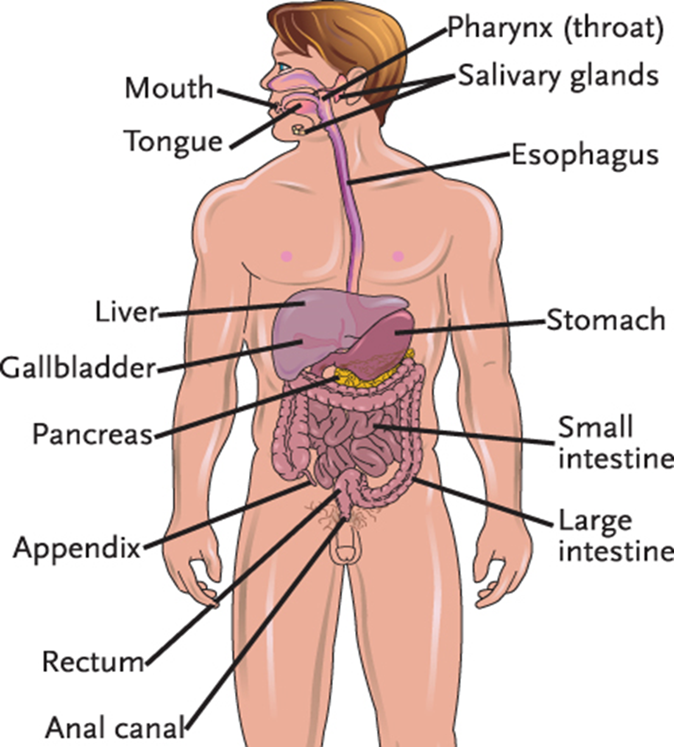
7.Describe the gastrointestinal system and related conditions
Remember these points about the gastrointestinal system:
•Digestion is the process of preparing food for absorption into the cells.
•Absorption is the transfer of nutrients from the intestines to the cells.
•Elimination is expelling wastes that are not absorbed into the cells.
7.Describe the gastrointestinal system and related conditions
Normal changes of aging to the gastrointestinal system include the following:
•Decreased saliva production affects chewing/swallowing.
•Dulled sense of taste may result in poor appetite.
•Decreased absorption of vitamins/minerals.
•Longer, less efficient digestion.
•More frequent constipation caused by body waste moving more slowly through the intestines.
7.Describe the gastrointestinal system and related conditions
NAs can help by
•Encouraging fluids and nutritious, appealing meals
•Allowing time to eat and making meal times enjoyable
•Providing regular oral care
•Making sure dentures are cleaned regularly
•Serve plenty of fluids with meals to prevent choking and constipation
•Helping residents with toileting so they have the opportunity to have a bowel movement around the same time each day
7.Describe the gastrointestinal system and related conditions
Think about this question:
Are there any other ways NAs can help with changes of aging relating to the gastrointestinal system?
7.Describe the gastrointestinal system and related conditions
It is important to observe for and report the following:
•Difficulty swallowing or chewing
•Fecal incontinence
•Weight gain or loss
•Loss of appetite
•Abdominal pain or cramping
•Diarrhea
7.Describe the gastrointestinal system and related conditions
Observe and report (cont’d):
•Nausea and vomiting (especially coffee grounds type)
•Constipation
•Flatulence
•Hiccups, belching
•Bloody, black, or hard stools
•Heartburn
•Poor nutritional intake
7.Describe the gastrointestinal system and related conditions
Define the following terms:
constipation
the inability to eliminate stool, or the infrequent, difficult, and often painful elimination of a hard, dry stool.
enema
a specific amount of water, with or without an additive, that is introduced into the colon to stimulate the elimination of stool.
7.Describe the gastrointestinal system and related conditions
NAs should know these facts about constipation:
•Causes: decreased fluid intake, poor diet, inactivity, medications, aging, disease, or ignoring the urge to eliminate
•Symptoms: abdominal swelling, gas, irritability, and record of no recent bowel movement.
•Treatment: increasing fiber and fluid intake, increasing activity, and possibly medication
7.Describe the gastrointestinal system and related conditions
NAs should know these facts about fecal impaction:
•Cause: hard stool that is stuck in the rectum and cannot be expelled; results from unrelieved constipation
•Symptoms: no stool for several days, oozing of liquid stool, cramping, abdominal swelling, and rectal pain
•Treatment: nurse or doctor inserts one or two gloved fingers into the rectum to break the mass into fragments so that it can be passed
•Prevention: a high-fiber diet, plenty of fluids, an increase in activity level, and possibly medication
7.Describe the gastrointestinal system and related conditions
NAs should know these facts about hemorrhoids:
•Cause: enlarged veins in the rectum and/or outside the anus resulting from an increase in pressure in the lower rectum due to straining during bowel movements, chronic constipation, obesity, pregnancy, and sitting for long periods of time on the toilet
•Symptoms: rectal itching, burning, pain, and bleeding
•Treatment: medications, compresses, sitz baths, and possibly surgery
•NAs should be careful to avoid causing pain while cleaning anal area
7.Describe the gastrointestinal system and related conditions
NAs should know these facts about diarrhea:
•Cause: frequent elimination of liquid or semi-liquid feces resulting from infections, microorganisms in food or water, irritating foods, and medications
•Symptoms: abdominal cramps, urgency, nausea, or vomiting can accompany diarrhea
•Treatment: medication, increase in certain fluids, and change of diet
7.Describe the gastrointestinal system and related conditions
NAs should know these facts about gastroesophageal reflux disease (GERD):
•Chronic condition in which the liquid contents of the stomach back up into the esophagus.
•Liquid can inflame and damage the lining of the esophagus, causing bleeding or ulcers.
•Scars from tissue damage can narrow the esophagus and make swallowing difficult.
7.Describe the gastrointestinal system and related conditions
Facts about GERD (cont’d):
•Heartburn is the most common symptom of GERD.
•Treatment: medication; serving the evening meal three to four hours before bedtime; not lying down until two to three hours after eating; using extra pillows to keep the body more upright during sleep; serving the largest meal of the day at lunchtime; eating smaller meals throughout the day; reducing fast foods, fatty foods, and spicy foods; stopping smoking; not drinking alcohol; and wearing loose clothing.
7.Describe the gastrointestinal system and related conditions
Define the following terms:
ostomy
a surgically created opening from an area inside the body to the outside.
stoma
an artificial opening in the body.
7.Describe the gastrointestinal system and related conditions
NAs should know these facts about ostomies:
•May be necessary due to bowel disease, cancer, or trauma
•A colostomy is a surgically-created opening into the large intestine to allow stool to be expelled. With a colostomy, stool will generally be semi-solid. An ileostomy is a surgically-created opening into the end of the small intestine to allow stool to be expelled. With an ileostomy, stool will be liquid
•Disposable pouch fits over the stoma to collect the feces and is attached to the skin by adhesive. A belt may also be used to secure an ostomy bag
7.Describe the gastrointestinal system and related conditions
NAs should know these guidelines for ostomy care:
•Make sure resident receives careful skin care.
•Empty and clean or replace the ostomy bag whenever stool is eliminated.
•Always wear gloves and wash hands carefully.
•Teach proper handwashing techniques to residents with ostomies.
•Be sensitive and supportive when working with residents with ostomies. Always provide privacy for ostomy care.
Caring for an ostomy
Equipment: disposable bed protector, bath blanket, clean ostomy pouching system, belt (if needed), disposable wipes (made for ostomy care), basin of warm water, soap, washcloth, 2 towels, plastic disposable bag, gloves
1.Identify yourself by name. Identify the resident by name.
Resident has right to know identity of his or her caregiver. Identifying resident by name shows respect and establishes correct identification.
2.Wash your hands.
Provides for infection prevention.
3.Explain procedure to the resident. Speak clearly, slowly, and directly. Maintain face-to-face contact whenever possible.
Promotes understanding and independence.
4.Provide for resident’s privacy with curtain, screen, or door.
Maintains resident’s right to privacy and dignity.
5.Adjust bed to a safe level, usually waist high. Lock bed wheels.
Prevents injury to you and to resident.
Caring for an ostomy
6.Put on gloves.
Provides for infection prevention.
7.Place the bed protector under the resident. Cover the resident with the bath blanket. Pull down the top sheet and blankets. Expose only the ostomy site. Offer resident a towel to keep clothing dry.
Provides for infection prevention.
8.Undo the ostomy belt I used. Remove ostomy pouch carefully. Place it in the plastic bag. Note the color, odor, consistency, and amount of stool in the bag.
Changes in stool can indicate a problem.
9.Wipe area around stoma with disposable wipes for ostomy care. Discard the wipes in the plastic bag.
Caring for an ostomy
10.Using a washcloth and warm water, wash the area in one direction, away from the stoma. Rinse. Pat dry with another towel. Apply skin cream as ordered.
Keeping skin clean and dry prevents skin breakdown.
11.Place the clean ostomy drainage pouch on resident. Hold in place and seal securely. Make sure the bottom of the pouch is clamped.
Caring for an ostomy
12.Remove and discard the bed protector. Place soiled linens in proper container. Discard the plastic bag properly.
13.Remove and discard your gloves.
14.Wash your hands.
Provides for infection prevention.
15.Return bed to lowest position. Remove privacy measures.
Lowering the bed provides for safety.
16.Place call light within resident’s reach.
A call light allows resident to communicate with staff as necessary.
17.Report any changes in resident to the nurse. Note any changes in stoma and surrounding area. A normal stoma is red and moist and looks like the lining of the mouth. Call the nurse if the stoma is very red or blue or if swelling or bleeding is present. Report signs of skin breakdown around the stoma.
18.Document procedure using facility guidelines.
If you do not document the care you gave, legally it did not happen.
8.Describe the endocrine system and related conditions
Define the following terms:
glands
organs that produce and secrete chemicals called hormones.
hormones
chemical substances created by the body that control numerous body functions.
Key Material 4-2: The Endocrine System
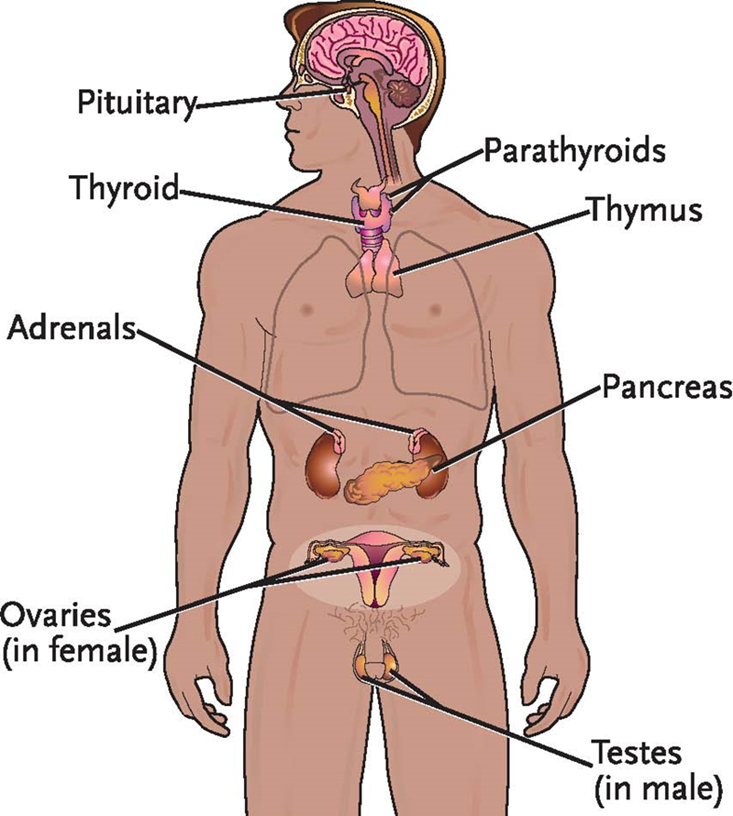
8.Describe the endocrine system and related conditions
•Remember these points about the endocrine system:
•Glands secrete hormones, which are chemical substances that control numerous body functions.
•Hormones are carried by the blood to organs in order to achieve the following:
•Maintain homeostasis through hormone secretion
•Influence growth and development
•Maintain blood sugar levels
•Regulate calcium and phosphate levels
•Regulate body’s ability to reproduce
•Determine how fast cells burn food for energy
8.Describe the endocrine system and related conditions
Normal changes of aging to the endocrine system include the following:
•Decrease in levels of hormones, such as estrogen and progesterone
•Less production of insulin
•Less able to handle stress
8.Describe the endocrine system and related conditions
NAs can help by
•Encouraging proper nutrition
•Trying to eliminate or reduce stressors
•Offering encouragement and listening to residents
8.Describe the endocrine system and related conditions
Think about this question:
Are there any other ways NAs can help with changes of aging relating to the endocrine system?
8.Describe the endocrine system and related conditions
It is important to observe for and report the following:
•Headache
•Weakness
•Blurred vision
•Dizziness
•Irritability
•Sweating/excessive perspiration
•Change in “normal” behavior
•Confusion
•Change in mobility
•Change in sensation
•Numbness or tingling in arms or legs
8.Describe the endocrine system and related conditions
Observe and report (cont’d):
•Weight gain or weight loss
•Loss of appetite or increased appetite
•Increased thirst
•Frequent urination or change in urine output
•Hunger
•Dry skin
•Skin breakdown
•Sweet or fruity breath
•Sluggishness or fatigue
•Hyperactivity
8.Describe the endocrine system and related conditions
Define the following terms:
diabetes
a condition in which the pancreas produces too little insulin or does not properly use insulin.
insulin
a hormone that converts glucose from the blood and into the cells for energy for the body.
glucose
natural sugar.
8.Describe the endocrine system and related conditions
Define the following terms:
prediabetes
a condition that occurs when a person’s blood glucose levels are above normal but are not high enough for a diagnosis of type 2 diabetes.
gestational diabetes
type of diabetes that appears in pregnant women who have never had diabetes before but who have high glucose levels during pregnancy.
8.Describe the endocrine system and related conditions
NAs should know these facts about diabetes:
•Pancreas produces too little insulin or does not properly use insulin.
•Glucose collects in blood, causing circulatory problems.
•Two types are type 1 (diagnosed in children and young adults, will continue throughout a person’s life) and type 2 (milder form).
•Prediabetes describes blood glucose levels above normal but not high enough for a diagnosis of type 2 diabetes.
8.Describe the endocrine system and related conditions
The following can be signs of diabetes:
•Excessive thirst
•Extreme hunger
•Frequent urination
•Weight loss
•High levels of blood sugar
•Glucose (sugar) in urine
8.Describe the endocrine system and related conditions
Signs of diabetes (cont’d):
•Sudden vision changes
•Tingling or numbness in hands or feet
•Feeling very tired much of the time
•Very dry skin
•Sores that are slow to heal
•More infections than usual
8.Describe the endocrine system and related conditions
Diabetes can cause the following complications:
•Changes in the circulatory system can cause heart attack, stroke, poor extremity circulation, poor wound healing, and kidney and nerve damage.
•Damage to eyes can cause vision loss and blindness.
•Diabetes can lead to leg and foot ulcers, infected wounds, and gangrene due to poor circulation and impaired wound healing.
•Insulin reaction and diabetic ketoacidosis are serious complications (see Chapter 2).
Key Material 4-25: Care Guidelines for Diabetes
•Follow diet instructions exactly.
•Encourage residents to follow their exercise programs.
•Observe resident’s management of insulin doses.
•Perform urine and blood tests as directed.
•Give foot care as directed.
•Encourage comfortable shoes made of material that breathes and socks made of natural fibers.
9.Describe the endocrine system and related conditions
Define the following terms:
reproduce
to create new human life.
gonads
sex glands
Key Material 4-2: The Reproductive System
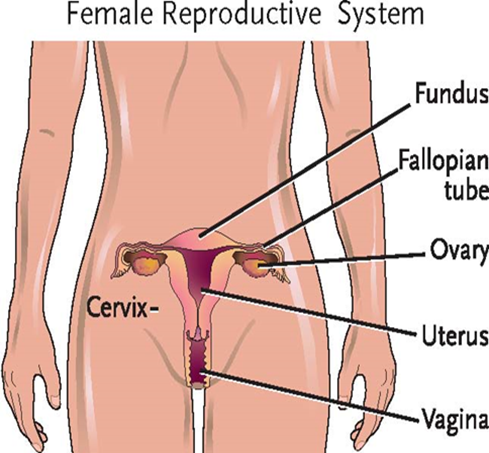
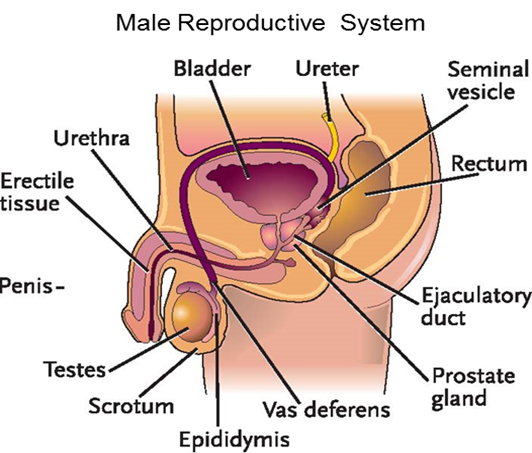
9.Describe the endocrine system and related conditions
Remember these points about the reproductive system:
•Reproductive organs and hormones are different in males (testes, scrotum, testosterone) and females (ovaries, fallopian tubes, estrogen).
•Reproductive system allows humans to reproduce.
9.Describe the endocrine system and related conditions
Normal changes of aging to the reproductive system include the following:
•Female:
•Menstruation ends
•Decrease in estrogen leads to loss of calcium, causing brittle bones, and, potentially, osteoporosis
•Drier, thinner vaginal walls
•Male:
•Decrease in sperm production
•Enlarged prostate gland
9.Describe the endocrine system and related conditions
NAs can help by
•Providing privacy when necessary for sexual activity
•Respecting residents’ sexual needs and never judging any sexual behavior
•Keeping in mind that sexual behavior that seems inappropriate should be reported as it could be a sign of illness
9.Describe the endocrine system and related conditions
Think about this question:
Are there any other ways NAs can help with changes of aging relating to the reproductive system?
9.Describe the endocrine system and related conditions
It is important to observe for and report the following:
•Discomfort or difficulty with urination
•Discharge from penis or vagina
•Swelling of genitals
•Blood in urine or stool
•Breast changes, lumps, or discharge
•Sores on the genitals
•Redness or rash on the genitals
•Genital itching
•Reports of erectile dysfunction
•Reports of painful intercourse
9.Describe the endocrine system and related conditions
REMEMBER:
Residents have the right to sexual freedom and expression. They have a right to privacy and the meet their sexual needs.
9.Describe the endocrine system and related conditions
NAs should know these facts about vaginitis:
•Causes: bacteria, protozoa, fungus, or hormonal changes after menopause
•Symptoms: change in color, odor, and amount of vaginal discharge, itching, burning
•Treatment: oral medications, vaginal creams
9.Describe the endocrine system and related conditions
NAs should know these facts about benign prostatic hypertrophy:
•Occurs in men as they age
•Cause: enlarged prostate causes pressure on the urethra, which leads to problems urinating and emptying the bladder
•Treatment: medications or surgery
•Men are also at increased risk for prostate cancer as they age. Prostate cancer is usually slow-growing and responsive to treatment, so early detection is important.
Handout 4-1: Sexually Transmitted Infections
Sexually transmitted infections (STIs), or sexually transmitted diseases (STDs), are caused by sexual contact with an infected person. This contact includes sexual intercourse (vaginal and anal), contact of the mouth with the genitals or anus, and contact of the hands with the genital area. Some STIs can also be transmitted during pregnancy or childbirth. The human Immunodeficiency virus (HIV) and some kinds of hepatitis can be transmitted via needles as well as through sexual contact.
Sexually transmitted infections can cause a variety of signs and symptoms and health problems, which are detailed below. The transmission of some STIs can be reduced or stopped by using latex or polyurethane condoms.
Handout 4-1: Sexually Transmitted Infections (cont’d)
Chlamydia infection is caused by organisms introduced into the mucous membranes of the reproductive tract. Chlamydia can cause serious infection, including pelvic inflammatory disease (PID) in women. PID can lead to sterility. Signs and symptoms of chlamydia infection include yellow or white discharge from the penis or vagina, burning during urination, swelling of the testes, painful intercourse, and abdominal and low back pain. Chlamydia is treated with antibiotics.
Handout 4-1: Sexually Transmitted Infections (cont’d)
Syphilis is caused by bacteria. It can be treated effectively in the early stages, but if left untreated it can cause brain damage, mental health disorders, and even death. Babies born to mothers infected with syphilis may be born blind or with other serious birth defects. Syphilis is easier to detect in men than in women. This is due to open sores called chancres that form on the penis soon after infection. In women, these sores may form inside the vagina. However, the chancres are painless and can go unnoticed. If untreated, the infection progresses to rashes, headache, fever, weight loss and muscle aches. Then over time, if the infection is still not treated with penicillin or other antibiotics. It spreads to the heart, brain, and other vital organs. Untreated syphilis will eventually be fatal. The sooner the disease is treated, the better the person’s chances of preventing long-term damage and avoiding infection of others.
Handout 4-1: Sexually Transmitted Infections (cont’d)
Gonorrhea is caused by bacteria. It, like syphilis, is easier to detect in men than in women because many women with gonorrhea show no early symptoms. Men infected with gonorrhea will typically have a white, yellow or greenish discharge from the penis within a week after infection. Painful or swollen testes and burning during urination are other common symptoms in men. Symptoms in women include cloudy vaginal discharge, along with bleeding between periods. Rectal itching, soreness, bleeding or painful elimination of stool can occur in both men and women. If untreated, gonorrhea can cause blindness, joint infection, sterility, and pelvic inflammatory disease. Gonorrhea is treated with antibiotics.
Handout 4-1: Sexually Transmitted Infections (cont’d)
Genital herpes, unlike the other STIs discussed here, is caused by a virus—herpes simplex type 1 (HSV-1) or type 2 (HSV-2). HSV-2 is generally the cause of genital herpes. Genital herpes cannot be treated with antibiotics, nor can it be cured. Once infected with genital herpes, a person may suffer repeated outbreaks of the disease for the rest of his or her life. A herpes outbreak includes burning, painful, red sores on the genitals that may take weeks to heal. The sores are infectious, but a person with genital herpes can spread the infection even when sores are not present.
Some people infected with genital herpes never experience repeated outbreaks. The later episodes may not be as painful as the initial outbreak. Treatment with antiviral medication can help people stay symptom-free for longer periods of time. The medication can also help lessen the duration and intensity of the episodes. Babies born to women infected with genital herpes can be infected during birth. If a pregnant woman is experiencing
an outbreak, the baby is usually delivered by Cesarean
section, or C-section.
Handout 4-1: Sexually Transmitted Infections (cont’d)
Genital HPV infection is a sexually transmitted infection caused by human papillomavirus (HPV). HPV is a different virus than HIV and HSV (herpes). Genital HPV infection is spread primarily through genital contact and can infect the genital area of both men and women. This includes the penis, vulva, lining of the vagina, cervix, rectum, or anus. Many people have no signs or symptoms of HPV. Some HPV infections cause women to have an abnormal pap test. Genital warts may appear. They may also lead to the development of cervical cancer. Treatment to remove warts is done in a doctor’s office through the use of medication. There is no cure for HPV, however, an HPV vaccine, licensed by the Food and Drug Administration (FDA) is available and is recommended for young women through age 26 and young men through age 21. It may help prevent genital warts and anal, vaginal, and vulvar cancers in women and genital warts and anal cancer in men.
10.Describe the immune and lymphatic systems and related conditions
Remember these points about the immune system:
•Nonspecific immunity protects the body from disease in general.
•Specific immunity protects the body against a particular disease invading the body at a given time.
Key Material 4-27: The Lymphatic System
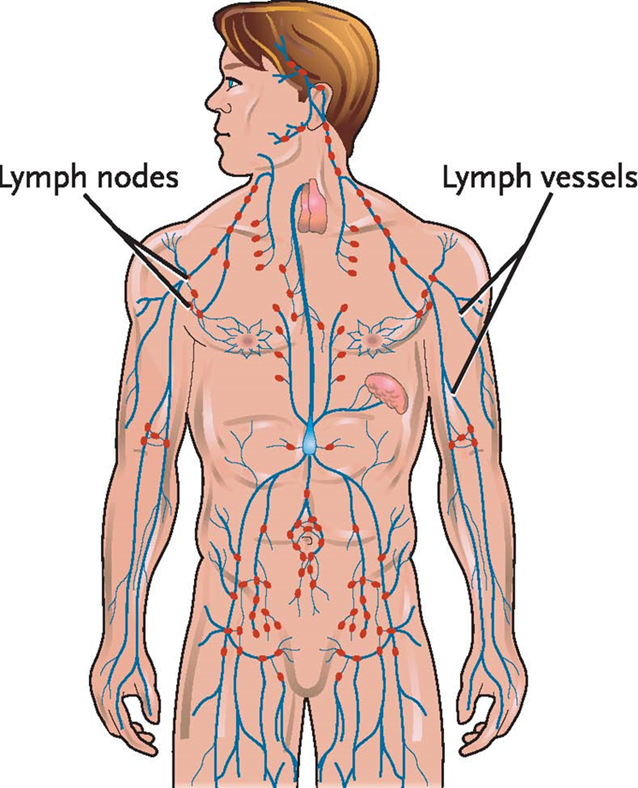
10.Describe the immune and lymphatic systems and related conditions
Remember these points about the lymphatic system:
•Functions of system are to remove excess fluids and waste products and to help the immune system fight infection.
•It is closely related to the circulatory system because lymph fluid, after being purified in the lymph nodes, flows into the bloodstream.
•It has no pump, but is circulated by muscle activity, massage, and breathing.
10.Describe the immune and lymphatic systems and related conditions
Normal changes of aging to the immune and lymphatic systems include the following:
•Weakened immune system increases risk of infections
•Takes longer to recover from an illness
•Decreased number and size of lymph nodes
•Decreased response to vaccines
10.Describe the immune and lymphatic systems and related conditions
NAs can help by
•Washing hands properly and keeping the resident’s environment clean to help prevent infection
•Assisting with personal hygiene as needed
•Encouraging proper nutrition and fluid intake
•Measuring and reporting vital signs accurately to detect possible infection
10.Describe the immune and lymphatic systems and related conditions
Think about this question:
Are there any other ways NAs can help with changes of aging relating to the immune and lymphatic systems?
10.Describe the immune and lymphatic systems and related conditions
It is important to observe for and report the following:
•Recurrent infections
•Swelling of lymph nodes
•Increased fatigue
10.Describe the immune and lymphatic systems and related conditions
NAs should know these facts about HIV/AIDS:
•Acquired immune deficiency syndrome (AIDS) is caused by the human immunodeficiency virus (HIV).
•HIV attacks the immune system and disables it.
•AIDS is the final stage of HIV infection in which infections, tumors, and central nervous system symptoms appear.
•HIV is transmitted by sexual contact, blood, and infected needles.
•Symptoms at transmission are like flu.
•Later symptoms include infections, tumors, and central nervous system symptoms.
•Late stage is AIDS dementia complex.
10.Describe the immune and lymphatic systems and related conditions
Signs and symptoms of AIDS include the following:
•Flu-like symptoms
•Appetite loss
•Weight loss
•Night sweats
•Swollen lymph nodes in the neck, underarms, or groin
•Severe diarrhea
•Dry cough
•Skin rashes
10.Describe the immune and lymphatic systems and related conditions
Signs and symptoms of AIDS (cont’d):
•Painful white spots in mouth or on the tongue
•Cold sores or fever blisters on the lips and flat, white ulcers in the mouth
•Warts on the skin and in the mouth
•Inflamed and bleeding gums
•Bruising that does not go away
•Low resistance to infection
•Kaposi’s sarcoma
•Pneumocystis jirovecci pneumonia, a lung infection
•AIDS dementia complex
10.Describe the immune and lymphatic systems and related conditions
●
REMEMBER:
Opportunistic infections invade the weakened body, worsening AIDS. Treatment is medication Drugs slow the progress, but there is no cure for the disease.
Key Material 4-2: Myths About HIV and AIDS
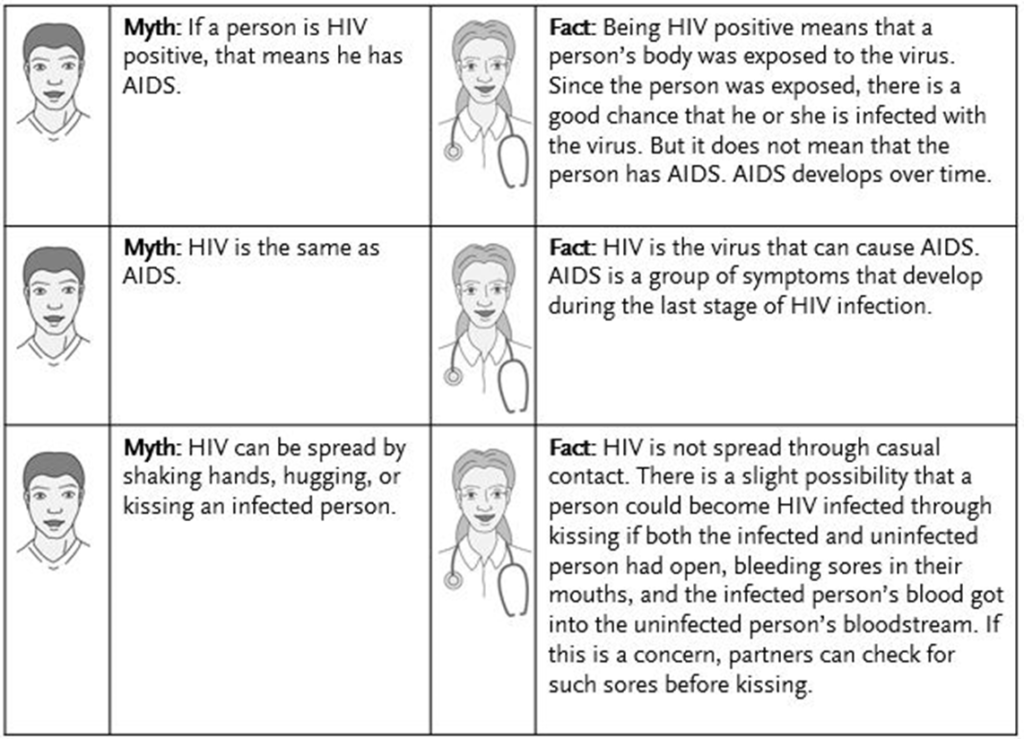
Key Material 4-2: Myths About HIV and AIDS (cont’d)
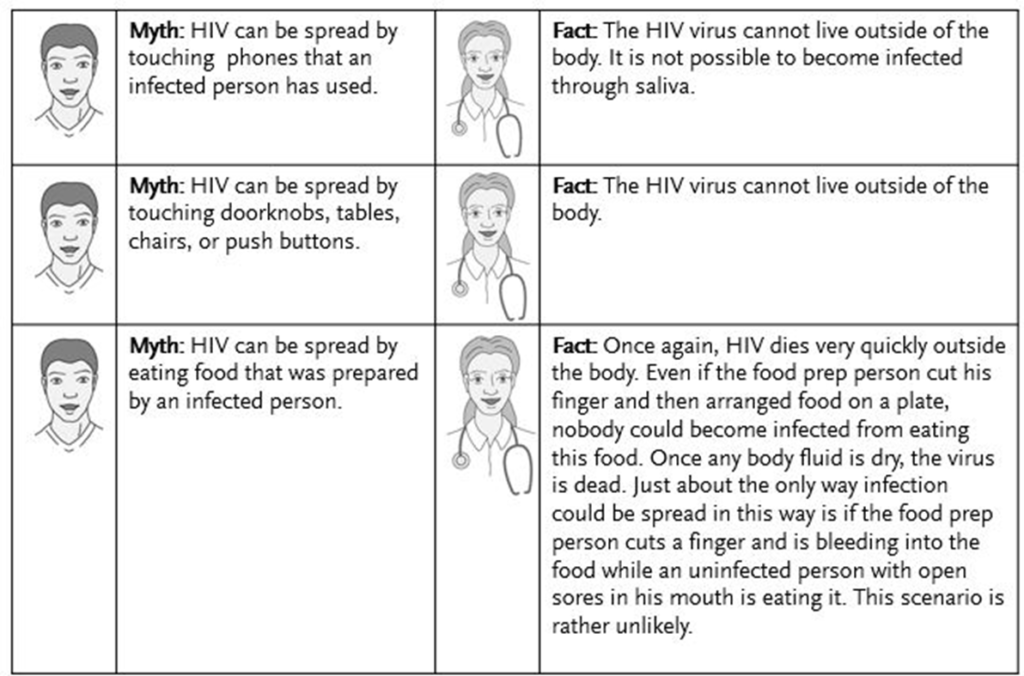
Key Material 4-2: Myths About HIV and AIDS (cont’d)
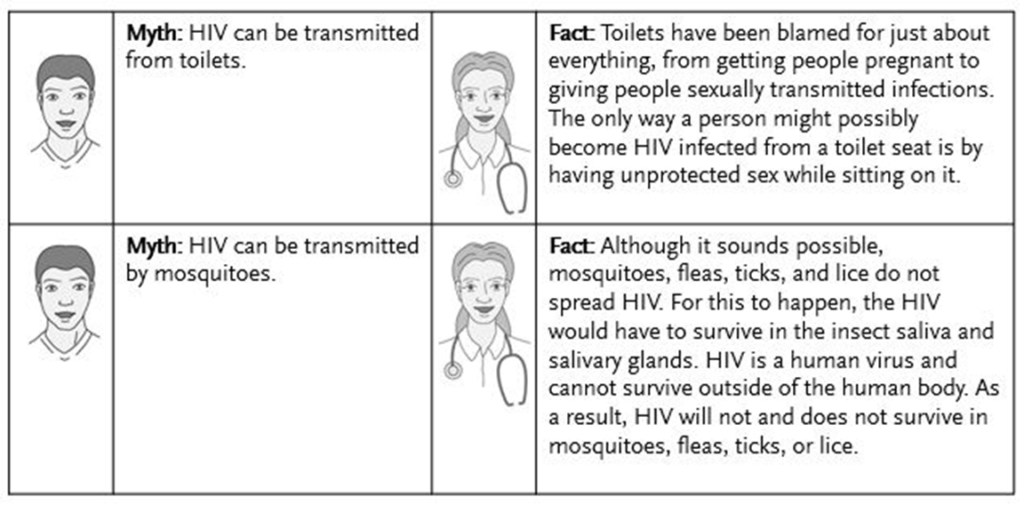
Key Material 4-2: Myths About HIV and AIDS
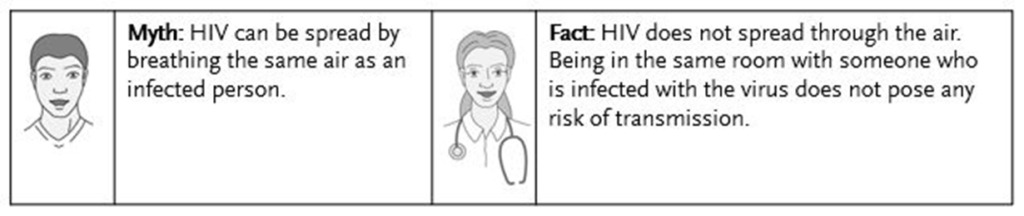
More information about HIV and AIDS is available at these websites:
aidsinfo.nih.gov, and cdc.gov/hiv
Key Material 4-28: Care Guidelines for HIV/AIDS
•Follow Standard Precautions and Transmission-Based precautions, if ordered.
•Residents with poor immune systems are more sensitive to infections.
•Wash hands often and keep everything clean.
•High-protein, high-calorie, high-nutrient meals can help maintain healthy weight.
•Some people with HIV/AIDS lose their appetite. Help make mealtimes pleasant and relaxing, and know residents’ favorite foods. Notify nurse of appetite loss or difficulty eating.
•If residents have infections in the mouth, they may need food that is low in acid and spice and neither cold nor hot. Liquid meals and fortified drinks may help ease the pain of chewing. Warm rinses may help painful mouth sores. Give careful mouth care.
•Small, frequent meals can help with nausea. High-fat and spicy foods should be avoided. Eating a soft, bland diet may help. Help ensure proper fluid intake.
Key Material 4-28: Care Guidelines for HIV/AIDS (cont’d)
•If diarrhea is severe, doctor may order the BRAT diet (bananas, rice, applesauce, toast). This is helpful short-term.
•Good rehydration fluids include water, juice, caffeine-free soda, and broth. Avoid caffeinated beverages.
•Neuropathy (numbness, tingling, and pain in the feet and legs) is usually treated with medication. Wearing loose, soft slippers may help. A bed cradle may be used to keep sheets and blankets off legs and feet.
•Residents may experience anxiety and depression. Treat them with respect and provide emotional support.
•Provide a safe environment and close supervision of ADLs.
10.Describe the immune and lymphatic systems and related conditions
REMEMBER:
AIDS causes a great deal of emotional stress. NAs should be sure to provide emotional support and encouragement to residents with AIDS.
10.Describe the immune and lymphatic systems and related conditions
REMEMBER:
A resident’s HIV/AIDS status is confidential. It cannot be discussed with anyone. Violating this confidentiality is not only unethical, it is a violation of the law.
10.Describe the immune and lymphatic systems and related conditions
Define the following term:
tumor
a cluster of abnormally growing cells.
10.Describe the immune and lymphatic systems and related conditions
NAs should know these facts about cancer:
•General term used to describe a disease in which abnormal cells grow in an uncontrolled way
•Tumors can be benign (non-cancerous, usually grow slowly) or malignant (cancerous, can grow rapidly).
•There is no cure.
•It may spread to other areas of the body (metastasize), affecting other body systems.
•Often first appears in breast, colon, rectum, uterus, prostate, lungs, or skin
10.Describe the immune and lymphatic systems and related conditions
●
•Discuss the following known causes of cancer:
•Genetic factors
•Tobacco use
•Alcohol use
•Poor diet
•Obesity
•Lack of physical activity
•Certain infections
•Environmental exposure, such as radiation
•Sun exposure
10.Describe the immune and lymphatic systems and related conditions
Discuss the following warning signs of cancer identified by the American Cancer Society:
•Unexplained weight loss
•Fever
•Fatigue
•Pain
•Skin changes
•Change in bowel or bladder function
10.Describe the immune and lymphatic systems and related conditions
Warning signs of cancer (cont’d):
•Sores that do not heal
•Unusual bleeding or discharge
•Thickening or lump in breast or other part of body
•Indigestion or difficulty swallowing
•Recent change in wart or mole
•Nagging cough or hoarseness
10.Describe the immune and lymphatic systems and related conditions
There are three primary treatments for cancer:
•Surgery
•Chemotherapy
•Radiation therapy
•Targeted therapy
•Immunotherapy
Key Material 4-2: Care Guidelines for Cancer
•Each case is different. Do not make assumptions.
•Respect residents’ needs and be honest and sensitive. Have a positive attitude.
•Encourage a variety of food and small portions. Try plastic utensils for residents receiving chemotherapy.
•Watch for signs of pain and report them to the nurse. Help with comfort measures, such as repositioning and providing conversation, music or reading materials.
•Offer back rubs for comfort and to increase circulation.
•Use lotion on dry skin. Do not remove markings.
•Help residents with oral care often. Use a soft-bristled toothbrush and a baking soda (or other prescribed) rinse.
Key Material 4-29: Care Guidelines for Cancer (cont’d)
•Assist with grooming, if desired.
•Encourage visitors. Suggest good times of the day for visits. Get to know residents’ interests.
•Be alert to unmet needs.
10.Describe the immune and lymphatic systems and related conditions
The following are signs and symptoms to report when a resident has cancer:
•Increased weakness or fatigue
•Weight loss
•Nausea, vomiting, diarrhea
•Changes in appetite
•Fainting
•Signs of depression
•Confusion
10.Describe the immune and lymphatic systems and related conditions
Signs and symptoms to report when a resident has cancer (cont’d):
•Blood in stool or urine
•Changes in mental status
•Changes in skin
•New lumps, sores, rashes
•Increase in pain or unrelieved pain
•Blood in the mouth