
1.Compare long-term care to other healthcare settings
Define the following terms:
long-term care (LTC)
care given in long-term care facilities for people who need 24-hour skilled care.
skilled care
medically necessary care given by a skilled nurse or therapist.
length of stay
the number of days a person stays in a care facility.
terminal illness
a disease or condition that will eventually cause death.
1.Compare long-term care to other healthcare settings
Define the following terms:
chronic
long-term or long-lasting.
diagnoses
medical conditions determined by a doctor.
home health care
health care that is provided in a person’s home.
assisted living residences for people do not need 24-hour skilled care, but do require some help with daily care.
1.Compare long-term care to other healthcare settings
Define the following terms:
adult day services
care for people who need some help during certain hours, but who do not live in the facility where care is provided.
acute care
24-hour skilled care given in hospitals and ambulatory surgical centers for people who require short-term, immediate care for illnesses and injuries.
subacute care
care given in hospitals or in long-term care facilities for people who need less care than for an acute illness, but more care than for a chronic illness.
1.Compare long-term care to other healthcare settings
Define the following terms:
outpatient care
care given to people who have had treatments, procedures, or surgeries and need short-term skilled care.
rehabilitation
care that is given by specialists to help restore or improve function after an illness or injury.
hospice care
holistic, compassionate care given to people who have
approximately six months or less to live.
1.Compare long-term care to other healthcare settings
People who live in long-term care facilities
•May be disabled
•Are often elderly, although younger adults sometimes require long-term care, too
•May arrive from hospitals or other healthcare settings
•Often have chronic health conditions, such as heart disease, physical disabilities, or dementia
1.Compare long-term care to other healthcare settings
REMEMBER:
Long-term care facilities are the residents’ homes. Nursing assistants can help residents feel at home by respecting their space and their privacy.
2.Describe a typical long-term care facility
Define the following term:
activities of daily living (ADLs)
daily personal care tasks such as bathing; dressing; caring for skin, nails, hair, and teeth; eating; drinking; walking; transferring; and elimination.
2.Describe a typical long-term care facility
These services are often provided at long-term care facilities:
•Assistance with personal care
•Physical, occupational, and speech therapy
•Wound care
•Care of different types of tubes
•Nutrition therapy
•Management of chronic diseases
2.Describe a typical long-term care facility
Different long-term care facilities may offer different services
•Some may offer specialized care for residents with dementia
•Some may include assisted living facilities
•If a facility provides specialized care, employees will be specifically trained to provide that care
2.Describe a typical long-term care facility
Define the following terms:
person-centered care
a type of care that places the emphasis on the person needing care and his or her individuality and capabilities.
trauma-informed care
an approach to patient care that recognizes that people may have experienced trauma in their lives and that their trauma, experiences, and preferences should be considered while providing care.
2.Describe a typical long-term care facility
Activity:
As a class project, using the examples of trauma in the textbook, discuss how they may influence a resident’s behavior and how involving the resident in treatment plans can help with the person’s sense of safety and control.
3.Explain Medicare and Medicaid
Define the following terms:
Medicare
a federal health insurance program for people who are 65 or older, have certain disabilities or permanent kidney failure, or are ill and cannot work.
Medicaid
a medical assistance program for people who have a low income, as well as for people with disabilities.
Key Material:1-1: Facts about Medicare and Medicaid
Medicare
•Medicare is for people 65 or older and people under 65 who are disabled or ill and cannot work.
•Part A helps pay for care in a hospital or skilled nursing facility or for care from a home health agency or hospice.
•Part B helps pay for doctor services and other medical services and equipment.
•Part C allows private health insurance companies to provide Medicare benefits.
•Part D helps pay for medications prescribed for treatment.
Medicaid
•Medicaid is a medical assistance program for people who have a low income, as well as for people with disabilities.
•People qualify based on income and special circumstances.
3.Explain Medicare and Medicaid
Residents’ long-term care is often paid for by Medicare or Medicaid. Under Medicare and Medicaid
•LTC facilities are paid a fixed amount for services
•Services are based on the resident’s needs upon admission and throughout her stay at the facility
4.Describe the nursing assistant’s role
Define the following term:
charting
documenting information and observations about residents.
4.Describe the nursing assistant’s role
Long-term care facilities may use any of the following titles for nursing assistants:
•Nurse aide
•Certified nurse aide
•Patient care technician
•Certified nursing assistant
•Nursing assistant (used by this textbook)
4.Describe the nursing assistant’s role
Nursing assistants perform assigned nursing tasks, such as
•Measuring and recording temperature
•Measuring and recording blood pressure
•Counting and recording pulse and respirations (breathing)
•Observing and reporting about pain levels
4.Describe the nursing assistant’s role
Nursing assistants also provide personal care, including the following:
•Bathing residents
•Assisting residents with hair care and other grooming tasks
•Helping residents dress
•Helping residents with mouth care
•Helping residents with elimination needs
4.Describe the nursing assistant’s role
The NA’s job also includes the following:
•Assisting residents to move around safely
•Keeping residents’ living areas neat and clean
•Assisting with meals
•Caring for supplies and equipment
•Making beds
•Giving backrubs
4.Describe the nursing assistant’s role
NAs are not permitted to do any of the following:
•Insert or remove tubes
•Give tube feedings
•Change sterile dressings
Some states allow NAs to give medications if they have completed an additional, specialized course for medications and meet the requirements of the individual facility.
4.Describe the nursing assistant’s role
REMEMBER:
Nursing assistants spend more time with residents than any other care team members. NAs’ observations are very important in making sure residents receive the best possible care. NAs are the “eyes and ears” of the healthcare team.
4.Describe the nursing assistant’s role
REMEMBER:
All residents are the responsibility of each nursing assistant. If an NA sees a resident who needs help, she must help—even if the resident is not on her assignment sheet.
5.Describe the care team and the chain of command
Define the following term:
assistive devices
special equipment that helps a person who is ill or disabled to perform activities of daily living.
5.Describe the care team and the chain of command
Resident care is provided by a care team made up of the following team members:
•Nursing assistant
•Registered nurse
•Licensed practical nurse/licensed vocational nurse
•Advanced Practice Registered Nurse
•Physician or doctor
•Physician assistant
•Physical therapist
•Occupational therapist
5.Describe the care team and the chain of command
Care team members (cont’d):
•Speech-language pathologist
•Registered dietitian
•Medical social worker
•Activities director
•Resident and resident’s family
5.Describe the care team and the chain of command
REMEMBER:
The care team revolves around the resident and his condition, treatment, and progress. All members should focus on the resident.
5.Describe the care team and the chain of command
Define the following terms:
chain of command
the line of authority within a facility.
liability
a legal term that means someone can be held responsible for harming someone else.
scope of practice
the range of tasks that healthcare providers are legally allowed to do according to state or federal law.
care plan
a plan developed for each resident to achieve certain goals; it outlines the steps and tasks that the care team must perform.
Key Material: 1-2: Chain of Command
REMEMBER:
The care team revolves around the resident and his condition, treatment, and progress. All members should focus on the resident.
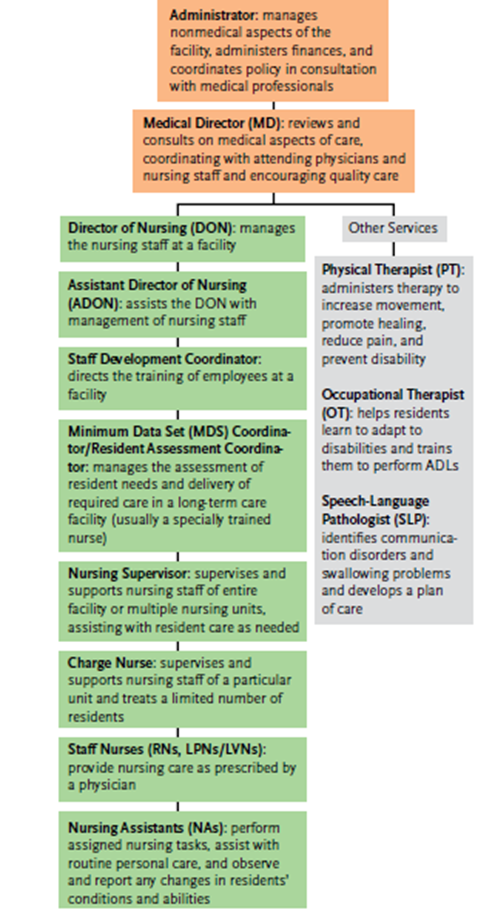
5.Describe the care team and the chain of command
REMEMBER:
Each state has different laws, but some tasks are never performed by NAs. NAs never make diagnoses or perform procedures involving sterile technique, for example.
5.Describe the care team and the chain of command
REMEMBER:
An NA must never honor a request to do something outside his scope of practice. Report such requests to the nurse.
5.Describe the care team and the chain of command
Remember these points about resident care plans:
•Individualized for each resident
•Developed by a nurse to help achieve the goals of care
•Lists tasks the care team, including the NA, must perform
•Guide to help the resident be as healthy as possible
•Careful NA observations and reporting can help make the care plan more effective
5.Describe the care team and the chain of command
REMEMBER:
Tasks not listed on the care plan should not be performed. If an NA has a question about the care plan, or thinks something is missing, he should talk to his supervisor.
6.Define policies, procedures, and professionalism
Define the following terms:
policy
a course of action that should be taken every time a certain situation occurs.
procedure
a method or way of doing something.
6.Define policies, procedures, and professionalism
These policies and procedures are common in LTC facilities:
•All resident information is confidential.
•Residents’ care plan must be followed.
•NAs only perform tasks in job descriptions.
•NAs report to a nurse.
•NAs should not discuss personal problems with residents or families.
•NAs should not accept gifts and money from residents or families.
•NAs must be dependable.
6.Define policies, procedures, and professionalism
Think about this question:
What should an NA do if she is unsure about a policy or procedure?
6.Define policies, procedures, and professionalism
Define the following terms:
professional
having to do with work or a job.
personal
relating to life outside one’s job, such as family, friends, and home life.
professionalism
the act of behaving properly when working.
6.Define policies, procedures, and professionalism
Define the following terms:
compassionate
being caring, concerned, considerate, empathetic, and understanding.
empathy
identifying with the feelings of others.
sympathy
sharing in the feelings and difficulties of others.
6.Define policies, procedures, and professionalism
Define the following terms:
tactful
showing sensitivity and having a sense of what is appropriate when dealing with others.
conscientious
guided by a sense of right and wrong; principled.
6.Define policies, procedures, and professionalism
These points will help NAs keep relationships with residents professional:
•Provide person-centered care.
•Be positive.
•Do only assigned tasks.
•Keep residents’ information confidential.
•Be polite and cheerful.
•Do not discuss personal problems.
•Do not use a personal phone in residents’ rooms or in resident care areas.
6.Define policies, procedures, and professionalism
Keeping relationships with residents professional (cont’d):
•Do not use profanity.
•Listen to residents.
•Call residents by their preferred, proper names.
•Do not accept or give gifts.
•Explain care before providing it.
•Follow facility’s care practices (such as appropriate handwashing).
6.Define policies, procedures, and professionalism
NAs can have a professional relationship with an employer by
•Completing tasks efficiently
•Following policies/procedures
•Documenting and reporting carefully
•Reporting problems
•Reporting anything that interferes with duties
•Asking questions
•Taking direction and feedback
6.Define policies, procedures, and professionalism
NAs can have a professional relationship with an employer by (cont’d)
•Being clean and neatly dressed and groomed
•Being on time
•Notifying the employer if absent
•Following the chain of command
•Participating in education programs
•Being a positive role model for the facility
Key Material: 1-3: Qualities of Great Nursing Assistants
•
Nursing assistants must be
•Compassionate
•Honest
•Tactful
•Conscientious
•Dependable
•Patient
•Respectful
•Unprejudiced
•Proactive
6.Define policies, procedures, and professionalism
Think about this question:
How might an NA demonstrate each of the qualities listed in Key Material 1-3 during her work in a facility?
7.List examples of legal and ethical behavior and explain Residents’ Rights
Define the following terms:
ethics
the knowledge of right and wrong.
laws
rules set by the government to help people live peacefully together and to ensure safety.
7.List examples of legal and ethical behavior and explain Residents’ Rights
NAs should always follow these guidelines for legal and ethical behavior:
•Be honest at all times.
•Protect residents’ privacy.
•Keep staff information confidential.
•Report abuse or suspected abuse of residents, and assist residents in reporting abuse if they wish to do so.
•Follow the care plan and your assignments.
•Do not perform any task outside your scope of practice.
7.List examples of legal and ethical behavior and explain Residents’ Rights
Guidelines for legal and ethical behavior (cont’d):
•Report all resident observations and incidents to the nurse.
•Document accurately and promptly.
•Follow rules about safety and infection prevention (coming up in Chapter 2).
•Do not accept gifts or tips.
•Do not get personally or sexually involved with residents or their family members or friends.
7.List examples of legal and ethical behavior and explain Residents’ Rights
Define the following terms:
Omnibus Budget Reconciliation Act (OBRA)
law passed by the federal government that includes minimum standards for nursing assistant training, staffing requirements, resident assessment instructions, and information on rights for residents.
cite
in a long-term care facility, to find a problem through a survey.
7.List examples of legal and ethical behavior and explain Residents’ Rights
Define the following terms:
Residents’ Rights
numerous rights identified in the OBRA law that relate to how residents must be treated while living in a facility; they provide an ethical code of conduct for healthcare workers.
informed consent
the process in which a person, with the help of a doctor, makes informed decisions about his health care.
7.List examples of legal and ethical behavior and explain Residents’ Rights
NAs should know these important points about OBRA:
•Sets minimum standards for NA training (75 hours)
•Requires competency exam for NAs
•Requires regular in-service training for NAs (12 hours annually)
•Establishes state registry of NAs
•Sets standards that instructors must meet to train NAs
•Establishes increased minimum staff requirements
•Outlines minimum services that LTCFs must provide
•Sets resident assessment requirements (MDS)
•Requires changes in survey process
•Outlines Residents’ Rights
Key Material: 1-4: Residents’ Rights
•
Residents have a legal right to
•Quality of life
•Services and activities to maintain a high level of wellness
•Be fully informed regarding rights and services
•Participate in their own care
•Make independent choices
•Privacy and confidentiality
•Dignity, respect, and freedom
•Security of possessions
•Be informed of and consent to transfers and discharges
•Voice complaints
•Have visits
•Have access to social services
7.List examples of legal and ethical behavior and explain Residents’ Rights
Think about this question:
How can NAs work to protect Residents’ Rights?
7.List examples of legal and ethical behavior and explain Residents’ Rights
To protect Residents’ Rights NAs should
•Never abuse a resident in any way
•Report suspected abuse
•Involve residents in planning
•Always explain procedures before performing them
•Never unnecessarily expose a resident while giving care
•Respect a resident’s refusal of care, but report refusal to the nurse
•Tell the nurse if a resident has questions, concerns, or complaints
7.List examples of legal and ethical behavior and explain Residents’ Rights
To protect Residents’ Rights NAs should (cont’d)
•Be truthful when documenting care
•Not talk or gossip about residents
•Knock and wait for permission before entering a resident’s room
•Not accept gifts or money from residents
•Not open a resident’s mail or look through her belongings
•Respect personal possessions
•Report observations about resident’s condition and care
•Help resolve disputes by reporting them to the nurse
7.List examples of legal and ethical behavior and explain Residents’ Rights
REMEMBER:
Boundaries are the limits to or within relationships. It is important that NAs treat residents with warmth and caring, but NAs must not become personally involved with residents. Professional boundaries help support a healthy resident-staff relationship.
Handout 1-1: Decision Quiz
Choices I have made today include the following:
1._________________________________________________
_________________________________________________
2._________________________________________________
_________________________________________________
3._________________________________________________
_________________________________________________
4._________________________________________________
_________________________________________________
5._________________________________________________
_________________________________________________
6._________________________________________________
_________________________________________________
7.List examples of legal and ethical behavior and explain Residents’ Rights
Think about these questions:
Would everyday decisions seem more important to you if many of your choices were taken away?
Why do you want to make your own decisions?
How does this exercise relate to Residents’ Rights?
7.List examples of legal and ethical behavior and explain Residents’ Rights
Define the following terms:
abuse
purposeful mistreatment that causes physical, mental, or emotional pain or injury to someone.
physical abuse
any treatment, intentional or not, that causes harm to a person’s body.
psychological abuse
emotional harm caused by threatening, scaring, humiliating, intimidating, isolating, or insulting a person, or by treating him as a child.
7.List examples of legal and ethical behavior and explain Residents’ Rights
Define the following terms:
verbal abuse
the use of spoken or written words, pictures, or gestures that threaten, embarrass, or insult a person.
sexual abuse
nonconsensual sexual contact of any type.
financial abuse
the improper or illegal use of a person’s money, possessions, property, or other assets.
7.List examples of legal and ethical behavior and explain Residents’ Rights
Define the following terms:
assault
a threat to harm a person, resulting in the person feeling fearful that he will be harmed.
battery
the intentional touching of a person without her consent.
domestic violence
physical, sexual, or emotional abuse by spouses, intimate partners, or family members.
7.List examples of legal and ethical behavior and explain Residents’ Rights
Define the following terms:
false imprisonment
the unlawful restraint of someone that affects a person’s freedom of movement; includes both the threat of being physically restrained and actually being physically restrained.
involuntary seclusion
the separation of a person from others against the person’s will.
workplace violence
verbal, physical, or sexual abuse of staff by other staff members, residents, or visitors.
7.List examples of legal and ethical behavior and explain Residents’ Rights
Define the following terms:
sexual harassment
any unwelcome sexual advance or behavior that creates an intimidating, hostile, or offensive working environment.
substance abuse
the repeated use of legal or illegal substances in a way that is harmful to oneself or others.
7.List examples of legal and ethical behavior and explain Residents’ Rights
Define the following terms:
neglect
the failure to provide needed care that results in physical, mental, or emotional harm to a person.
negligence
an action, or the failure to act or provide the proper care, that results in unintended injury to a person.
malpractice
injury to a person due to professional misconduct through negligence, carelessness, or lack of skill.
Key Material: 1-5: Suspicious Injuries
The following injuries are considered suspicious and should be reported:
•Poisoning or traumatic injury
•Teeth marks
•Belt buckle or strap marks
•Bruises, contusions, or welts
•Scars
•Fractures or dislocation
•Burns, including cigarette burns and scalds
•Scratches or puncture wounds
•Scalp tenderness or patches of missing hair
•Swelling in the face, broken teeth, or nasal discharge
•Bruises, bleeding, or discharge from the vaginal area
Key Material: 1-6: Signs of Abuse
Signs that could indicate abuse include the following:
•Yelling obscenities
•Fear, apprehension, or fear of being alone
•Poor self-control
•Constant pain
•Threatening to hurt others
•Withdrawal or apathy
•Alcohol or drug abuse
•Agitation, anxiety, or signs of stress
•Low self-esteem
•Mood changes, confusion, or disorientation
•Private conversations are not allowed, or the family member/caregiver is present during all conversations
•Reports of questionable care by resident or her family
Key Material: 1-7: Signs of Neglect
Signs that could indicate neglect include the following:
•Pressure injuries
•Unclean body
•Body lice
•Unanswered call lights
•Soiled bedding or incontinence briefs not being changed
•Poorly-fitting clothing
•Unmet needs relating to hearing aids, eyeglasses, etc.
•Weight loss, poor appetite
•Uneaten food
•Dehydration
•Fresh water or beverages not being offered regularly
•Reports of not receiving prescribed medication by resident or her family
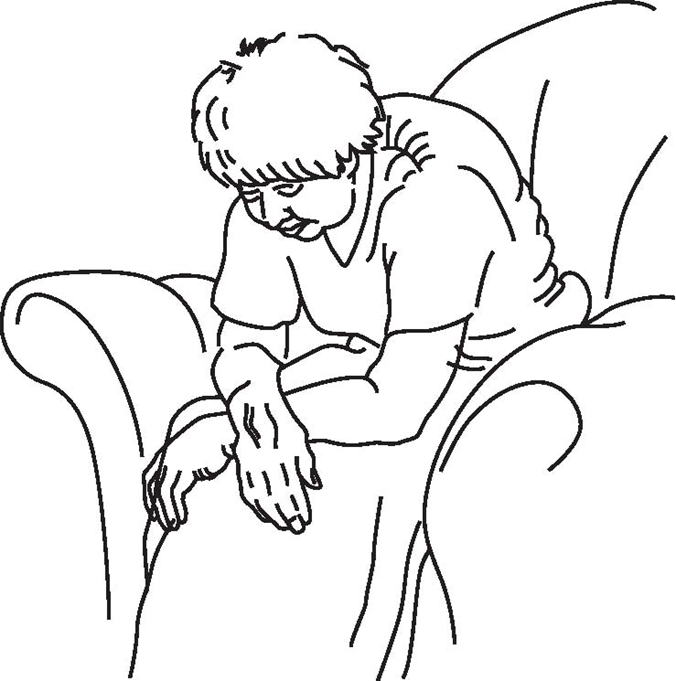
Handout 1-2: Who is Vulnerable to Abuse or Neglect?
Handout 1-2: Who is Vulnerable to Abuse or Neglect? (cont’d)
Some people are more vulnerable to adult abuse or neglect than others. They include the following:
•Elderly people
•People who have a physical illness or are disabled
•People who are developmentally disabled
•People who have a mental health disorder or condition
•People with communication problems, such as hearing, speech, and vision impairments
•
All of these people have a few things in common that make them so vulnerable. They are often unable to stand up for themselves or to report abuse or neglect to others. They may not even understand that they have rights. Often these people can be much more demanding to care for, which increases the stress that caregivers have to deal with.
Handout 1-2: Who is Vulnerable to Abuse or Neglect? (cont’d)
Caregivers may not have been properly trained to care for these particular people, and they may not understand why these people behave the way they do. Caregivers may also be overworked, tired, stressed, and unappreciated, on top of caring for someone who requires so much time and energy.
These are the people who most need your help and protection from harm. They may not be able to speak for themselves, but the signs of abuse and neglect may speak volumes for them. Know how to recognize these signs.
7.List examples of legal and ethical behavior and explain Residents’ Rights
Think about these questions:
Why are these people so vulnerable?
How are Residents’ Rights related to abuse, and to the NA’s responsibility to protect residents from abuse?
7.List examples of legal and ethical behavior and explain Residents’ Rights
REMEMBER:
NAs must never abuse residents in any way, and must report any suspected abuse. Reporting suspected abuse is the law. NAs must follow the chain of command when reporting abuse.
7.List examples of legal and ethical behavior and explain Residents’ Rights
Define the following term:
ombudsman
a legal advocate for residents in long-term care facilities who helps resolve disputes and settle conflicts.
7.List examples of legal and ethical behavior and explain Residents’ Rights
These are the typical tasks of an ombudsman:
•Advocates for residents’ rights
•Educates consumers and care providers
•Investigates and resolves complaints
•Appears in court
•Works with investigators
•Gives information to public
7.List examples of legal and ethical behavior and explain Residents’ Rights
Facilities often have Residents’ Councils, which exist for these purposes:
•Meet regularly to discuss issues related to the care facility
•Give residents a voice in facility operations
•Provide a forum to discuss policies, activities, concerns, and problems
•Allow residents to provide suggestions on improving the quality of care at the facility
7.List examples of legal and ethical behavior and explain Residents’ Rights
Define the following terms:
confidentiality
the legal and ethical principle of keeping information private.
Health Insurance Portability and Accountability Act (HIPAA)
a federal law that requires health information be kept private and secure and that organizations take special steps to protect this information.
protected health information (PHI)
a person’s private health information, which includes name, address, telephone number, social security number, email address, and medical record number.
7.List examples of legal and ethical behavior and explain Residents’ Rights
REMEMBER:
HIPAA applies to all healthcare providers, including nursing assistants. Serious penalties can be imposed for not adhering to HIPAA’s guidelines.
7.List examples of legal and ethical behavior and explain Residents’ Rights
These guidelines are essential to protecting residents’ privacy:
•Listen to or read messages in a private area.
•Know with whom you are speaking on the phone.
•Do not talk about residents in public.
•Use confidential rooms for reports to care team members.
•Be careful greeting resident’s family members in public.
•Do not bring family or friends to the facility to meet residents.
•Make sure health or personal information on a computer screen is not visible to others; be sure to log out after finishing computer work.
7.List examples of legal and ethical behavior and explain Residents’ Rights
Guidelines for protecting residents’ privacy (cont’d):
•Do not give confidential information in emails.
•Do not share resident information, photos, or videos on any social networking site.
•Make sure fax numbers are correct before faxing, and use a cover sheet with a confidentiality statement.
•Do not leave documents where others may see them.
•Store, file, or shred documents according to facility policy. If you find documents with a resident’s information on them, give them to the nurse.
7.List examples of legal and ethical behavior and explain Residents’ Rights
Think about these questions:
How does confidentiality affect an NA’s use of social media (Facebook, Twitter, Instagram, TikTok etc.)?
What would be an illegal use of social media (in terms of confidentiality)? A legal use?
Is everything that is legal also ethical and professional?
8.Explain legal aspects of the resident’s medical record
Careful, timely documentation is important because it
•Guarantees clear and complete communication
•Provides a legal record of treatment
•Protects the NA and employer
•Provides an up-to-date record of the resident’s status
8.Explain legal aspects of the resident’s medical record
REMEMBER:
If an NA does not document care, legally it was not done.
8.Explain legal aspects of the resident’s medical record
NAs must follow these guidelines for documentation:
•Document care immediately after it is given.
•Think before documenting. Be brief and clear.
•Use facts, not opinions.
•For electronic documentation
•Facility will provide training
•Legal documentation rules apply
•HIPAA guidelines apply
•Do not have someone else enter information for you
•Make sure to log into correct chart. Logout when finished
•Double-check autofilled entries
•Treat computers carefully
•Do not access personal accounts on facility computers/devices
8.Explain legal aspects of the resident’s medical record
NAs must follow these guidelines for documentation:
•Use black ink when documenting by hand.
•Correct errors properly (see Figure 1-17 in text).
•Sign full name and title.
•Document according to the care plan.
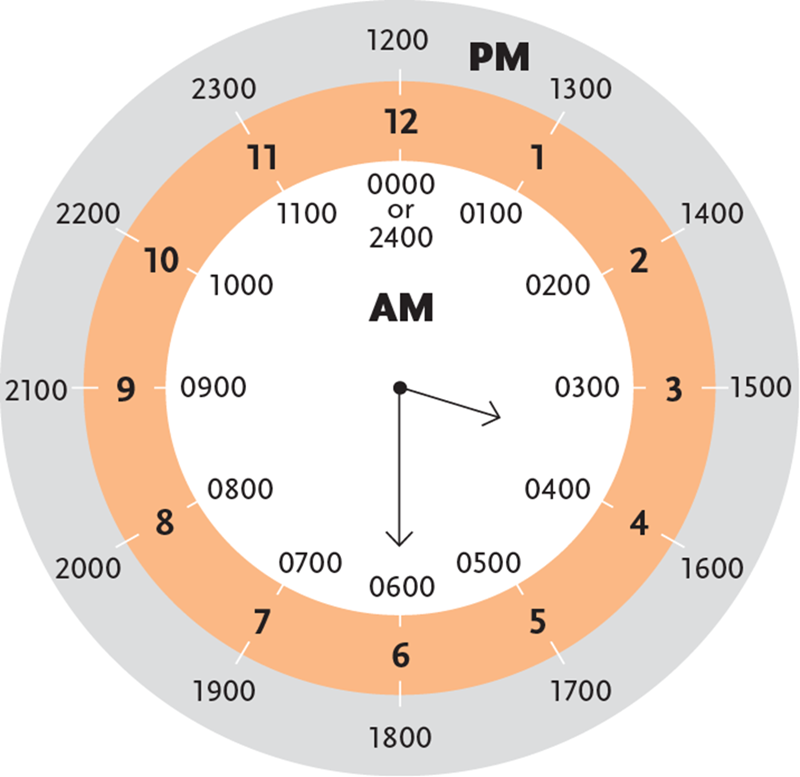
Key Material: 1-8: 24-Hour Clock
8.Explain legal aspects of the resident’s medical record
•While looking at the key material, explain how to convert regular time to military time:
•To change the regular hours between 1:00 p.m. and 11:59 p.m. to military time, add 12 to the regular time.
•To change from military time to regular time, subtract 12.
•Minutes and seconds do not change.
•Midnight may be written as 0000 or 2400; follow facility policy.
9.Explain the Minimum Data Set (MDS)
Define the following term:
Minimum Data Set (MDS)
a detailed form with guidelines for assessing residents in long-term care facilities.
9.Explain the Minimum Data Set (MDS)
NAs should know the following about the MDS:
•Helps nurses complete resident assessments accurately
•Details what to do if resident problems are identified
•Must be completed for each resident within 14 days of admission and again each year
•Must be reviewed every three months
•New MDS must be done when there is any major change in the resident’s condition.
9.Explain the Minimum Data Set (MDS)
REMEMBER:
Nursing assistants have a key role in observing and reporting resident changes. NAs’ observations can trigger a new MDS to be completed, ensuring the resident receives the best possible care.
10.Discuss incident reports
Define the following term:
incident
an accident, problem, or unexpected event during the course of care that is not part of the normal routine in a healthcare facility.
10.Discuss incident reports
All of the following events are considered incidents:
•Falls
•Damage to facility equipment or resident belongings
•Mistakes in care
•Requests outside scope of practice
•Sexual advances or remarks
•Anything that makes an NA feel uncomfortable or unsafe
•Injuries
•Blood or body fluids exposure
10.Discuss incident reports
When making an incident report the NA should
•Tell what happened.
•Describe the person’s reaction to the incident.
•State facts only.
•Do not document that an incident report was completed on the medical record.
•Describe the action taken.
Chapter Review
Role Play
Role-play a situation in which the NA is told by the resident’s daughter about suspicious injuries on the resident, emphasizing the following:
•With whom on the care team should the NA talk?
•With whom should the NA not discuss the information?
•Whose rights must the NA support?
•Why is it illegal for the NA to discuss this situation away from work?
Case Study and Critical Thinking
While at the grocery store, an NA overhears another NA talking to a friend about a resident’s condition. What action should she take? NA number 1 overhears NA number 2 threatening to hit a resident; another time the resident tells NA number 1 that the bruises on his arm are from NA number 2 grabbing and pushing him. What action must NA number 1 take and why? Which Residents’ Rights are involved here?